Alexander Macturk

A Return to Cold War Nuclear Deterrence?

By: Alexander Macturk

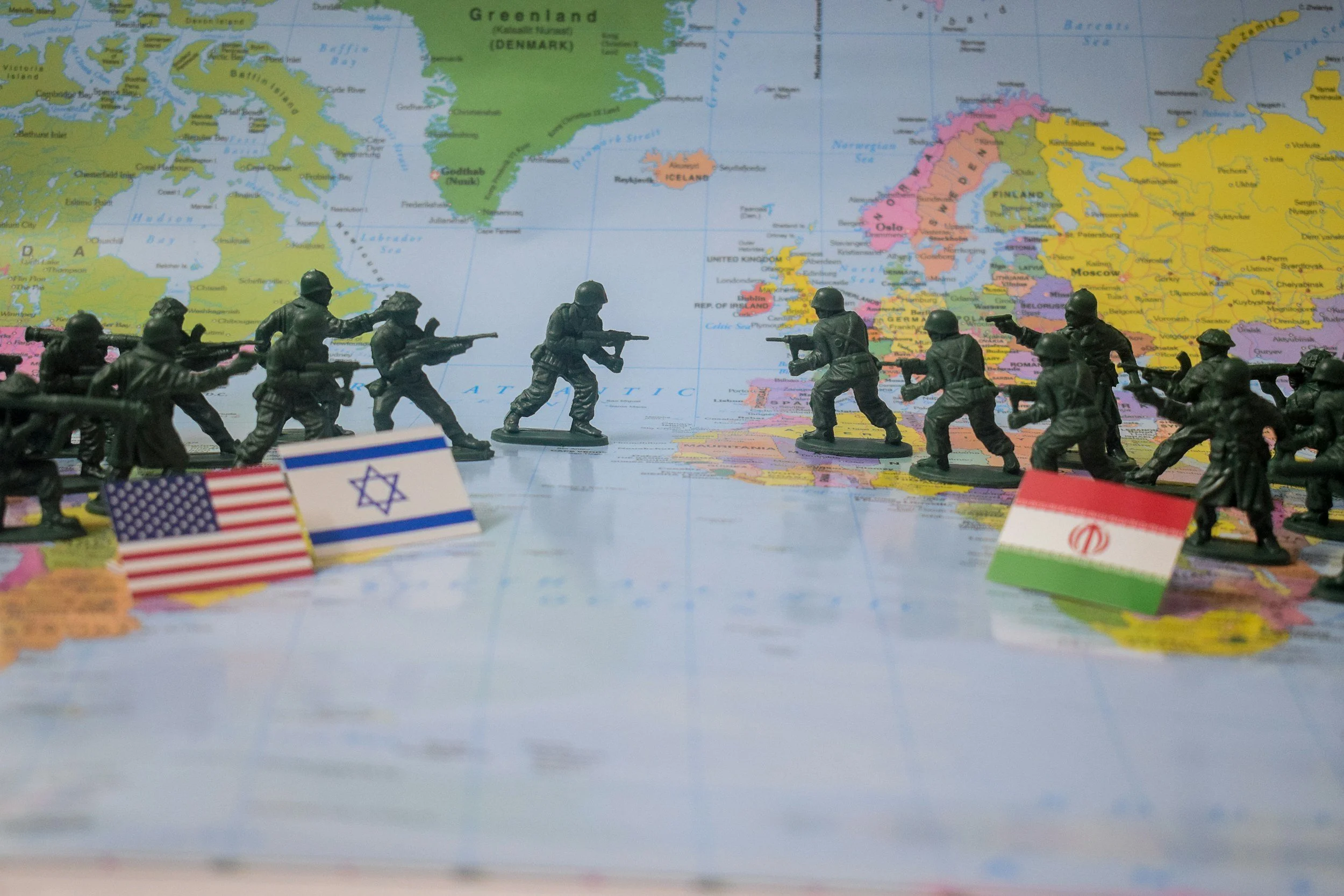
Early this month, Chief National Security Correspondent for CNN Jim Sciutto reported that senior Biden administration officials began “prepping rigorously” for a potential Russian nuclear strike in Ukraine. Sciutto’s report mirrors the unsettling trend of states with nuclear arsenals levying similar threats. North Korea’s Kim Jong Un welcomed the New Year with an order to “thoroughly annihilate” the United States and South Korea if attacked. Iran’s technological advancements have lowered the development time required to weaponize its nuclear research. Coupled with the instability in the region, prompted by the October 7 Hamas terrorist attack, Iran is worryingly poised to build its nuclear stockpile. 

Despite this, the validity of such threats and likelihood of nuclear proliferation remain unclear. Nonetheless, the U.S has exited its post-Cold War bliss and reentered a new period where  nuclear deterrence is no longer a theoretical strategic issue. In fact, the risk of use of nuclear weapons in combat is rising. Therefore, the national security community requires a strict reexamination of the doctrine of nuclear deterrence, its application in the post-Cold War world, and a path forward.

For the U.S, the way to address nuclear deterrence varies between military and political leaders. Admiral Charles Richard, former Commander of U.S. Strategic Command, has stressed American policymakers’ retreat from their myopia and sober realization that nuclear deterrence has always been integral to strategic deterrence. He emphasizes that nuclear deterrence itself has never been a universal deterrent. In fact, leaders such as Richard Nixon and Leonid Brezhnev vigorously competed with each other for unilateral gain under the umbrella of nuclear deterrence. 

Failure to fully understand nuclear deterrence may lead to dangerous consequences. Nuclear weapons can inflict “uncontestable costs,” including an all-out nuclear assault. Nevertheless, nuclear deterrence does not exist separately from conventional deterrence. On a similar note, Sciutto also reported executive branch officials’ concerns that Russia may employ a “tactical or battlefield nuclear weapon.” The possibility of Vladimir Putin deploying tactical nuclear arms underlines the important duty of policymakers to prepare for any battlefield possibility and disregard the practice of solely relying on nuclear deterrence for international stability.

The poor application and stunted understanding of nuclear deterrence has evolved from the bipolar power struggle between the U.S. and Soviet Union. Admiral Richard has saliently warned that the twenty-first century authoritarian nuclear regimes may now stake their legitimacy on the ability to wage nuclear war. For example, North Korea passed a law in 2022 that explicitly states its status as a nuclear power. Authoritarian regimes do not employ traditional nuclear deterrence to persuade a potential adversary that the costs of a retaliatory nuclear attack far outweigh the benefits of an initial strike. In fact—and reflected in the language of the 2022 North Korea law—these authoritarian regimes misconstrue their nuclear arsenals not as a deterrent but as a strategic tool for “taking the initiative in war” and securing the continued viability of their regimes. 

To address this uncomfortable and present reality posed by the nuclear proliferation since the end of the Cold War, the U.S. must remain committed to international diplomacy aimed at limiting the development of nuclear arsenals. The U.S. must also push reduction treaties, like New START between the U.S. and Russia, as better alternatives to nuclear deterrence. Looking ahead, the U.S. should also work to lower tensions on the Korean Peninsula to ensure that Kim’s 2022 nuclear declaratory law has no chance of being practiced. If committed to pursuing renewed and reinvigorated commitment to nuclear proliferation and reducing tensions in conflicts involving nuclear powers, the U.S. would bring stability and international security and help make nuclear displays irrelevant on the global stage.

A Commitment of Humanitarian Aid in an Uncertain Time

By: Alexander Macturk

After the first shipment of humanitarian supplies into the Gaza Strip following the October 7 attacks by Hamas, President Joe Biden expressed his belief that the opening of such an “essential supply route…[was] a critical and urgent need.” Biden and the international community have rightly determined that, in the evolving conflict, managing the Gaza humanitarian crisis is of the utmost priority. While this opinion piece will not speak on the fighting between Hamas and the Israel Defense Forces nor discuss its implications for the Middle East, it should be clear to U.S. policymakers and American citizens that caring for innocent Gazans living in such humanitarian strife must continue to underlie American commitment to and support of Israel in this conflict.

After Israel pursued a unilateral withdrawal of Israeli troops and settlers from Gaza in 2005, Hamas won elections for leadership of the Gaza Strip. Designated as a terrorist group by the U.S. and European Union, Hamas’ self-proclaimed anti-Israel stance seriously deteriorates an already precarious system of humanitarian aid in Gaza. The majority of humanitarian assistance administered in Gaza is in response to immediate challenges, such as poor water quality, education, and protection. Sadly, much of the humanitarian assistance that could prove useful in improving long-term conditions in Gaza is limited due to Hamas’ willingness to use that same assistance for terrorist activities. Dual-use assistance that has both civilian and military applications — such as cement and rebar — cannot easily enter Gaza, effectively limiting Gaza’s ability to rebuild itself and care for Palestinians in need. 

With each new strike on or accidental bombing of important health care facilities and shelters, Gaza stands at risk of further destruction without the ability to improve itself even after military operations cease. Given estimates that the conflict will last anywhere from a few weeks to months, the U.S. must understand the current military situation as unstable and anticipate the potential power vacuum in Gaza which could undermine recovery efforts. The White House and State Department must therefore remain vigilantly committed to an open humanitarian corridor into Gaza. President Biden and Secretary of State Antony Blinken must include humanitarian considerations in the joint discussion between the U.S., Israel, and Egypt concerning the Hamas-Israel conflict. The international community cannot settle for only a handful of trucks entering Gaza a day when hundreds of trucks entered Gaza with required — even then an inadequate amount of — humanitarian goods before October 7.

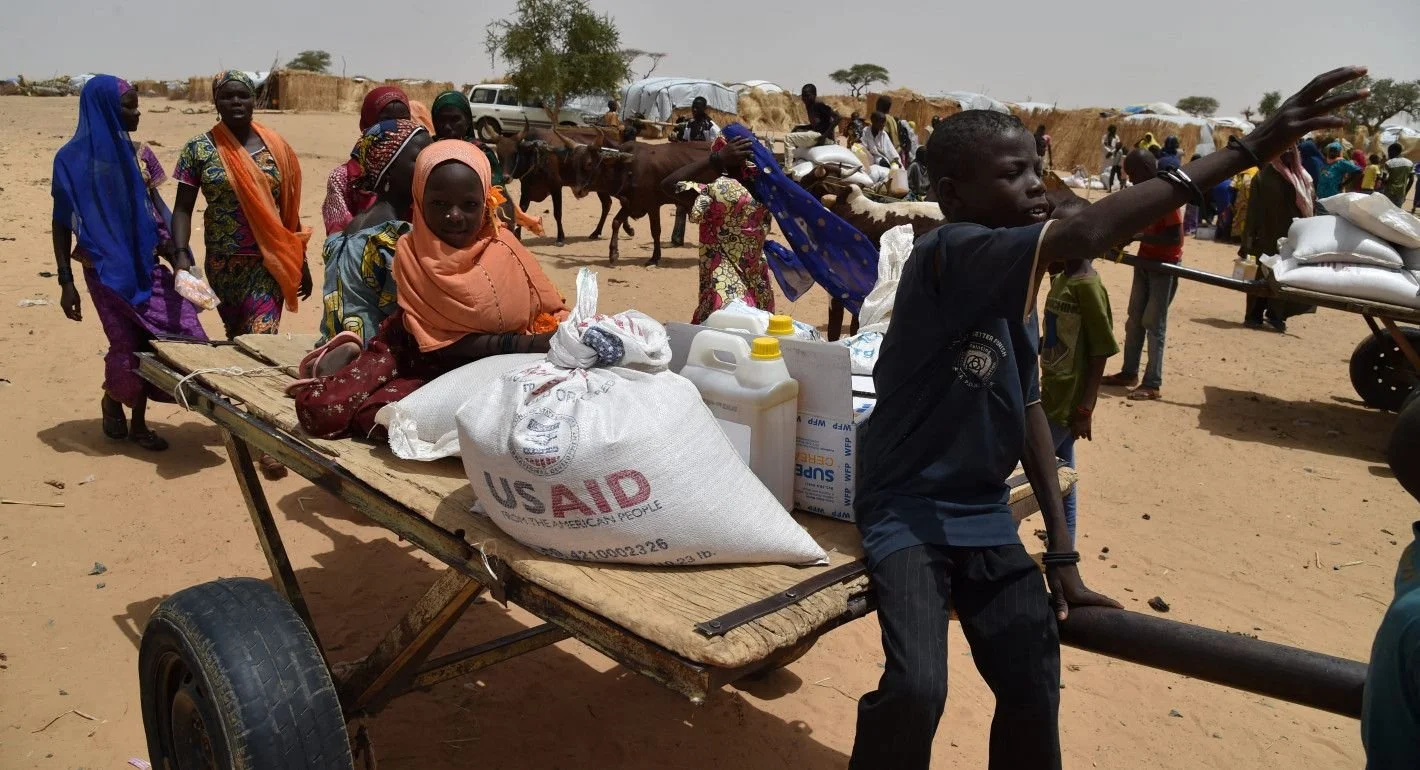
Another pressing matter is that humanitarian assistance funding in Gaza has historically fallen short of what the crisis demands. The short-term assistance focused on water quality, education, and protection falls considerably short of what the U.N. estimates as necessary. Humanitarian assistance relies on the well intentions of wealthy countries; highlighting the consequences of relying on these intentions, in 2018 the U.S. cut humanitarian funding for Palestine, forcing organizations like the World Food Programme to reduce aid to Gaza. Gazans cannot lose the already insufficient aid during the current, intense military hostilities. The U.S. must not only ensure the continued entry of humanitarian assistance into Gaza, but policymakers and politicians should also expand funding for humanitarian assistance. President Biden’s requested 9.15-billion-dollar aid package must be funded by Congress. During a period in which other nations and independent groups challenge America’s role as the world’s leader, Congress can prove continued American commitment to international norms and stability abroad by responding vigorously to Gaza’s humanitarian crisis.

Most importantly, the American public must recognize its pivotal role in fighting the worsening humanitarian crisis. Support for humanitarian aid administered in Gaza cannot wane. The majority of Americans have already displayed their capacity for resilient empathy and support for a people negatively impacted by an overseas conflict in the case of Russian aggression in Ukraine. With widespread calls for humanitarian considerations in the response to the Hamas-Israel conflict from the White House, State Department, and Congress, American citizens can stem the tide of deteriorating humanitarian conditions.

The Hamas-Israel conflict is fraught with uncertainty for Gazans, and the international fallout from Israel’s response is yet to be determined. What is certain is the severe threat to the previously underfunded, inadequate, and limited system of humanitarian assistance that the outbreak of violence presents. The U.S. must fight the humanitarian crisis during such vulnerability and ensure the welfare of and swift recovery for Gazans.