Indonesia’s Nickel Empire at the Expense of Human Rights
By: Apal Upadhyaya
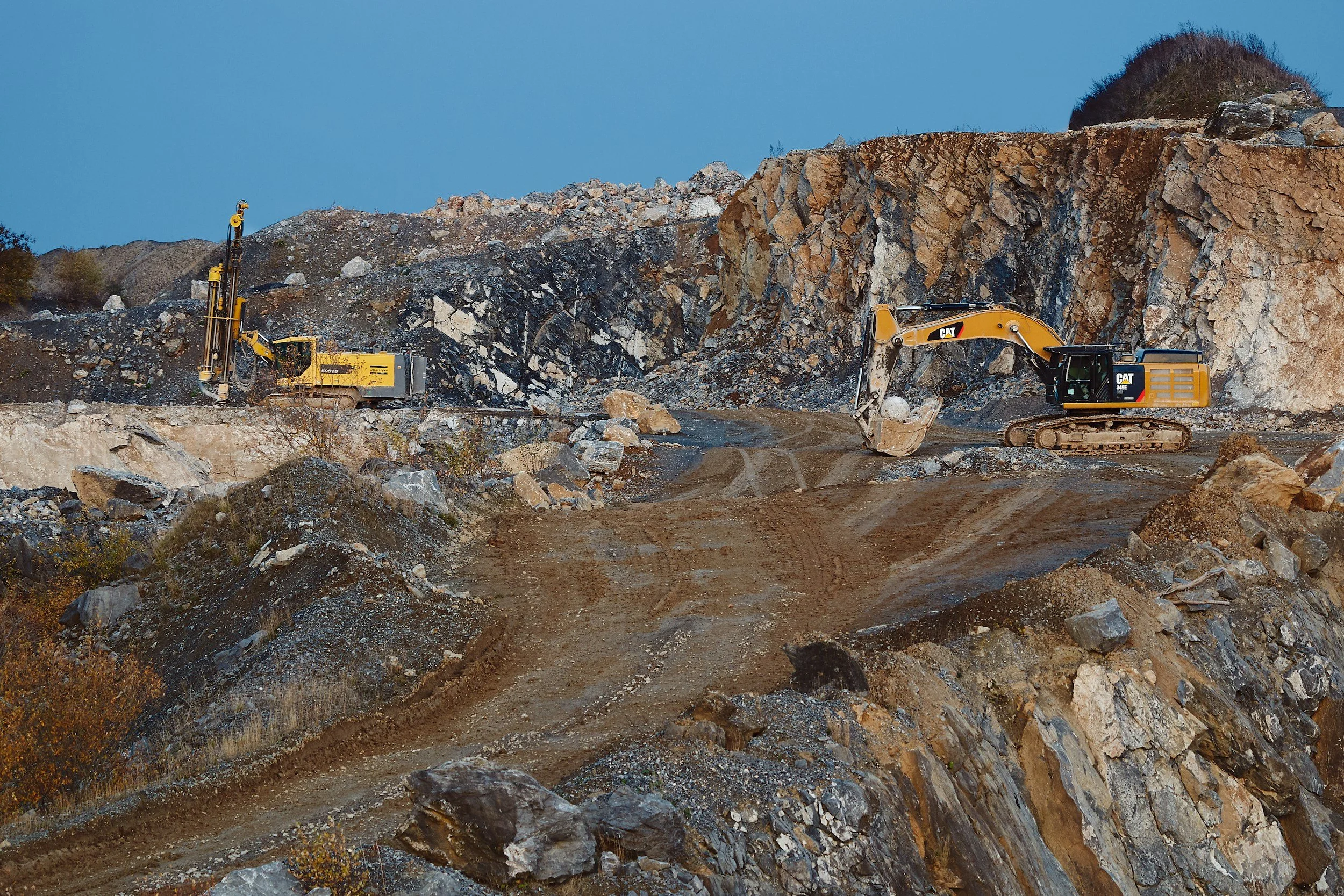
Indonesia has more than quadrupled its nickel production in less than ten years, positioning the island nation to dominate the international nickel market. Nickel is necessary for the production of stainless steel and lithium-ion batteries found in essential everyday items like electric toothbrushes, laptops, computers, and cellphones. These batteries increasingly find use in next-generation technologies to power electric vehicles and e-bikes. Further, the demand for nickel is expected to increase 6-fold by 2030 fueled by growing demand for electric vehicles, a climate-friendly alternative form of transportation. Indonesia’s islands of Halmera and Sulawesi are home to the most identified nickel reserves in the country, making land there extremely lucrative for potential nickel mining companies.
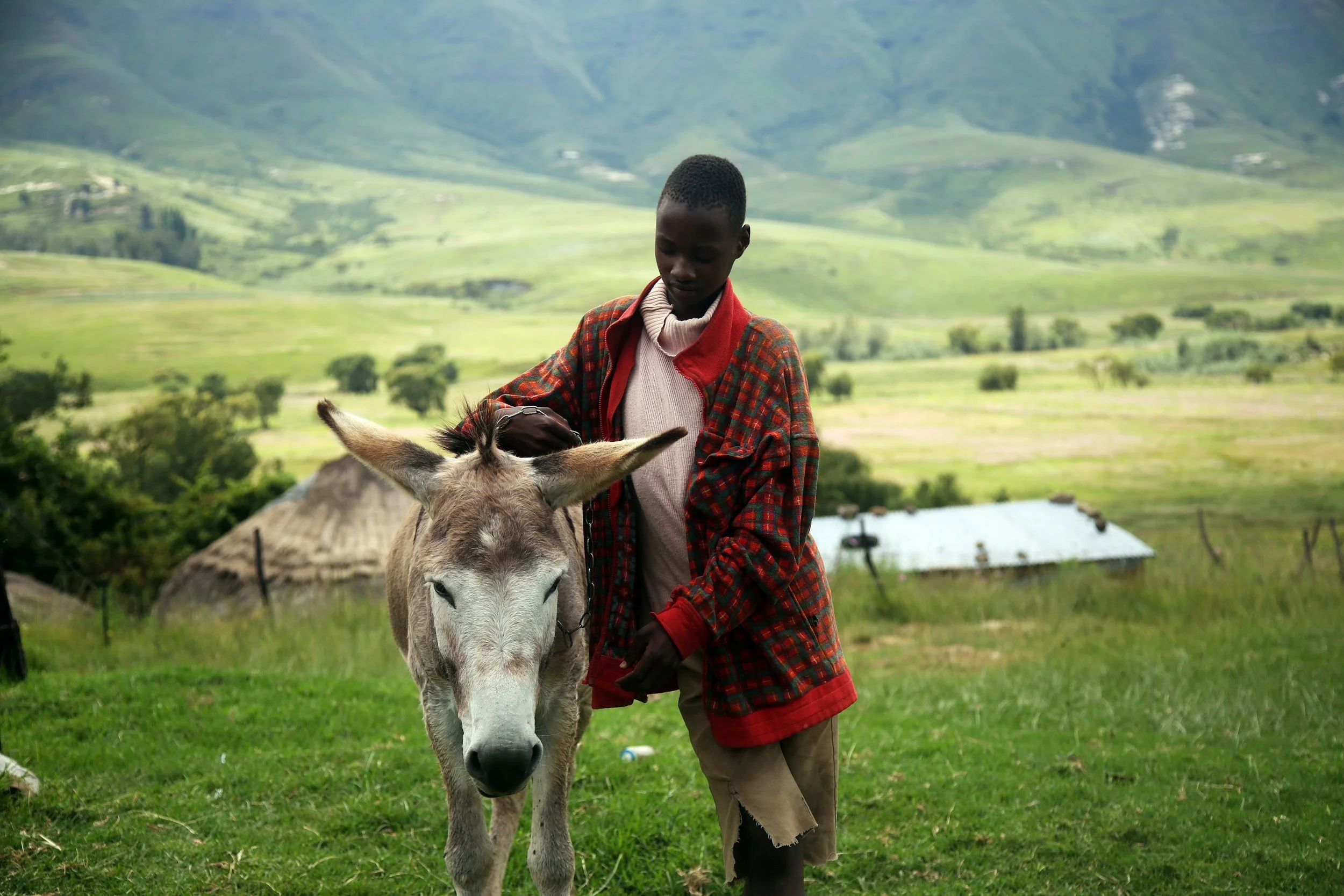
However, because of the land’s overwhelming value, thousands of Indonesian pepper farmers and other landowners have reported their land being seized by mining companies. Police intimidate locals and sell private lands well below market value with little negotiation. Furthermore, while the Indonesian government paints its nickel mining initiatives as green and energy friendly, the seizing and excavating of lands has resulted in thousands of acres of deforestation. The little regard and respect the Indonesian government and mining companies have for the Indonesian people whose ancestral lands have been seized blatantly violates property and human rights. While Indonesia has made it its goal to disrupt the international nickel market, it has lost its sense to protect the rights of its people.
In Indonesia, formal land titles are difficult to acquire, especially for ancestral lands. In 2021, local governments began transferring land deeds to mining companies without the consent of the land’s residents. In one case, a widow and her family was given around $50 million Indonesian rupiah ($3,223) in exchange for the land. With the farm, the widow could make up to 6 million rupiah ($386) in one month from her harvests, and without her farm-based income, the widow has resorted to to selling cooked food at a stall to make a fraction of that income she would have made if she still had her land. Notably, these land deals and disputes are predatory and disproportionately affect Indonesia’s poorest populations. This exploitative approach to nickel mining is not going away. The number of land disputes increased from 1,520 conflicts between 2005-2015 to 2,939 conflicts between 2015-2023 under President Joko Widodo. This has affected 135,608 households, or close to one million people.
On the island of Gelam, which is part of the Kendawangan conservation area zone, local government officials claim that land deeds were only given to mining companies because of residents’ requests. Residents refute this claim and argue that they never willingly gave up their lands to mining companies. Local Indonesian governments and officials have abused the lack of land deeds among their poorest populations to better position themselves for success in future nickel mining operations. The Indonesian government has recently become a controlling shareholder of PT Vale Indonesia, one of the mining companies seizing land in Sulawesi. Thus, the government of Indonesia is complicit in this seizing of land affecting almost a million citizens. The government’s gross disregard of its own citizens violates the property rights and threatens the livelihoods of the millions of people who live off their land to gain a reliable income.
The Indonesian government frames this focus on nickel as a push towards clean energy, but massive deforestation and pollution undermines the government of President Joko Widodo’s goals. Over 13,173 acres (5,331 hectares) of forest have been cleared on Halmahera, driving away deer and boars and polluting the water of local rivers. PT Weda Bay Nickel, the largest nickel miner on Halmahera, has deforested 3,600 acres of forest as of 2022. Widodo has sought to support developing industries, hasten recognition of land ownership, and slow deforestation. However, based on the actions of mining groups backed by the Indonesian government, deforestation in Indonesia still continues.
While Indonesian nickel mining can make the nation a key player in the international nickel market, the violation of property and human rights to undertake such a project cannot be understated. Seizing and evicting people from ancestral lands for the sake of mine development is wrong. Excavating such lands in a way that pollutes key water sources and destabilizes the surrounding environment is wrong. Indonesian policymakers must stop issuing permits to mine and hold leaders accountable for violations of community members’ rights. If safeguards and restrictions do not materialize, the people of these islands will be displaced and the environment will be destroyed, both reduced to an afterthought of innovation.
South Korean Teachers Deserve Support
By: Apal Upadhyaya
Teachers in South Korea have been protesting for months following the death of a 23-year-old teacher who was driven to suicide in her own classroom by parent harassment and bullying. Teachers and supporters are calling for a revision in the country’s ambiguous Child Welfare Act aimed at preventing child abuse. Parents nationwide have used the legislation to file lawsuits against teachers who punish misbehavior in the classroom or refuse to favor students. Even if the teacher is falsely accused, they can still be punished and even barred from teaching. Teachers nationwide have reported devastating mental health impacts as a result of abuse and harassment by parents.
In South Korea, teachers have suffered far too long and the government must act to protect teachers from future bullying and harassment. While the government has passed the Teacher Rights Restoration Bill, they need to take further steps to protect teachers from the increasingly predatory actions of parents. The only solution is to redefine the ambiguous clause in the Child Welfare Act. Furthermore, the suffering of teachers in South Korea is the result of the country’s competitive education system which places immense pressure on not only students, but also teachers. As such, comprehensive reform is required to address the underlying impacts of South Korea’s current education system.
The Child Welfare Act, passed in 2014, aims to protect children from child abuse. The act was created in response to the death of a 7-year-old girl after facing severe physical and mental abuse from both her stepmother and father and thus allows people to report suspicions of child abuse in good faith for the health and safety of the child. However, it is this feature of the act that is being weaponized by parents to harass teachers. Parents have used the ambiguity of reporting suspicions of child abuse in ‘good faith’ to threaten teachers with lawsuits, investigations, and even arrests. South Korean educators and the Korean Federation of Teachers’ Union acknowledge that while the new Teacher Rights Restoration Bill, which prevents unfounded suspension of teachers and prevents principals from downplaying violations of their rights, is a good first step, more has to be done to protect teachers. Korean educators are concerned that the new bill does not penalize parents who falsely accuse teachers of abuse. Thus, schoolteachers should be protected by law from parents who seek to harm them. The only solution that has the ability to appropriately protect teachers is to amend the Child Welfare Act itself.
As a result of the protests, many have called for South Korea to evaluate its education system. South Korea’s education system is notoriously competitive and it is built into the culture. In South Korea, children in secondary school are pushed to attend hagwons, or academies, after school, and in preparation for college entrance exams, these students study for upwards of 16 hours a day. However, more often than not, the pursuit of achievement and good grades is spearheaded not by students, but by their families. There is a belief that parents alone direct the futures of their children, pressuring students to achieve their idea of success from a young age. This pressure to succeed has caused conflict between parents and teachers, as parents have the ability to threaten teachers with lawsuits or arrests in order to give their children an edge in the classroom. However, it is this type of threat that is worsening the mental health of teachers in the country.
The time for education reform in South Korea is now. Teachers cannot be expected to deal with the mental pressures of dealing with the families of students for the foreseeable future. With the passage of the Teacher Rights Restoration Bill, the country is moving towards the right path to protect teachers. However, more must be done to dismantle the means that have allowed teachers to be harassed and bullied for almost a decade. The country needs to be reminded that teachers are people too and that the pressures to succeed impact everyone in the classroom, not just students. Students can still succeed without resorting to means of coercion and threats that parents have employed against teachers. The South Korean government must act promptly to thoroughly protect their teachers.