Wyatt Dayhoff

Chaos in ECOWAS and Regionalism’s Regression: America’s Role
By: Wyatt Dayhoff

The Economic Community of West African States, or ECOWAS, was founded in 1975 to advance economic integration across fifteen West African states as they struggled to cope with skyrocketing debt and the enduring legacy of colonialism. When civil wars and political instability hampered its efforts, the organization pivoted to facilitate peace and security in the region. Since then, it has helped end numerous political crises, playing a large role in the region’s complete democratic stability from 2015-2020, and has been hailed as the most successful model of regional governance in Africa.

Then, on January 28th, 2024, three of its founding members declared their resignation from the bloc, sending shockwaves through the organization and the continent as a whole. Burkina Faso, Mali, and Niger, all engulfed by coups since 2020, blamed the organization for kowtowing to foreign powers and betraying the roots of the organization. 

Why did they leave? All members of the new “Alliance of Sahel States” (AES) had been facing scrutiny, both verbal and economic, of their junta-led regimes from ECOWAS and Western powers prior to their secession. Mali, for example, was slapped with sanctions by the bloc while it endeavored to recover from COVID- and Ukraine-induced shocks, causing devastating inflation and price hikes for basic commodities. These sanctions, in tandem with an apparent failure to prevent terrorism, turned public sentiment against ECOWAS, which is now seen by many as a puppet of the West. The Alliance’s grievances, then, are not surprising, and ECOWAS was unable to negotiate a return to democracy as it had previously done so well. This followed multiple failures to intervene when other West African leaders (Ouattara in Cote D’Ivoire and Conde in Ghana) used manipulative tactics to receive extra terms. 

Even before this landmark event, experts noted that ECOWAS was at a crossroads. Divided and discombobulated, the bloc was hemorrhaging authority and legitimacy. Now, its raison d’etre teeters on the brink: outside of its confines, the organization cannot hope to even attempt to restore democracy to the three nations, much less facilitate trade. The AES will likely suffer, too; on February 19, Niger defaulted up to $520 million in debt, and without access to regional markets the nation will plunge even deeper into economic strife. Sahelian border closures will recreate the very problems that ECOWAS was formed to solve. ECOWAS lifted existing sanctions on February 25th to account for the default, but it still remains unable to provide broader support given Niger’s lack of membership.

The future paints a grim picture for the West African region, reflecting larger concerns about regionalism in developing nations. ASEAN, arguably the most influential regional bloc, was fractured by Myanmar’s 2022 coup and remains paralyzed. Regionalism and multilateralism, concepts that showed such promise in the 2010s, now lay tattered after COVID’s enormous economic and political impact. Instead, neo-Cold War thinking has surged, with countries joining either the Chinese or the Western camp. While China and the United States are working together to create a debt relief package for emerging markets, bandwagoning with one party or the other has become the norm, making aid and support contingent on politics. 

The world can ill afford a continuation of this trend. Democracy has declined precipitously in recent years and remains shaky, economic growth has stagnated in many countries, and global income inequality is at the same levels as the early 20th century. In other words, developing nations are not developing, and the lack of a regionally-based framework for cooperation and resistance to outside pressures certainly adds to the strain. 

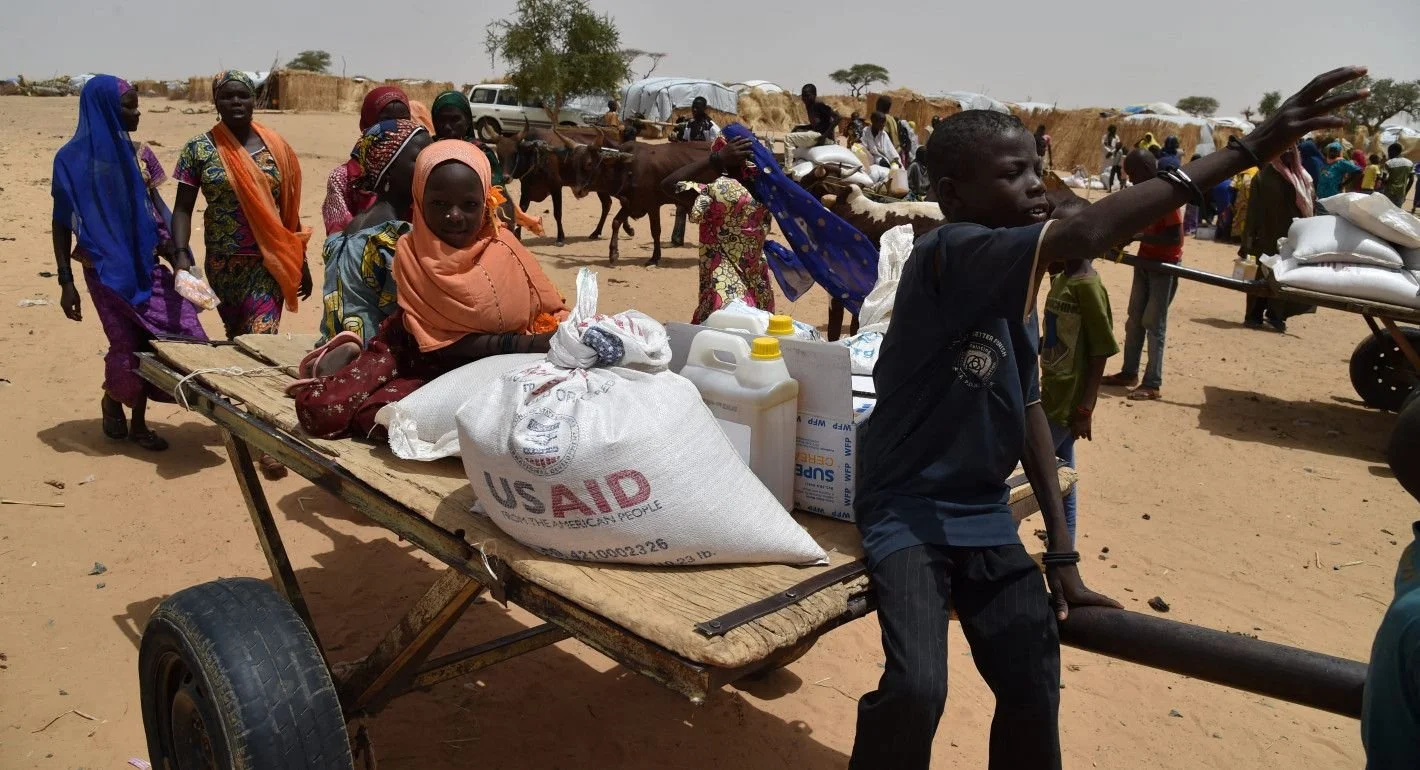
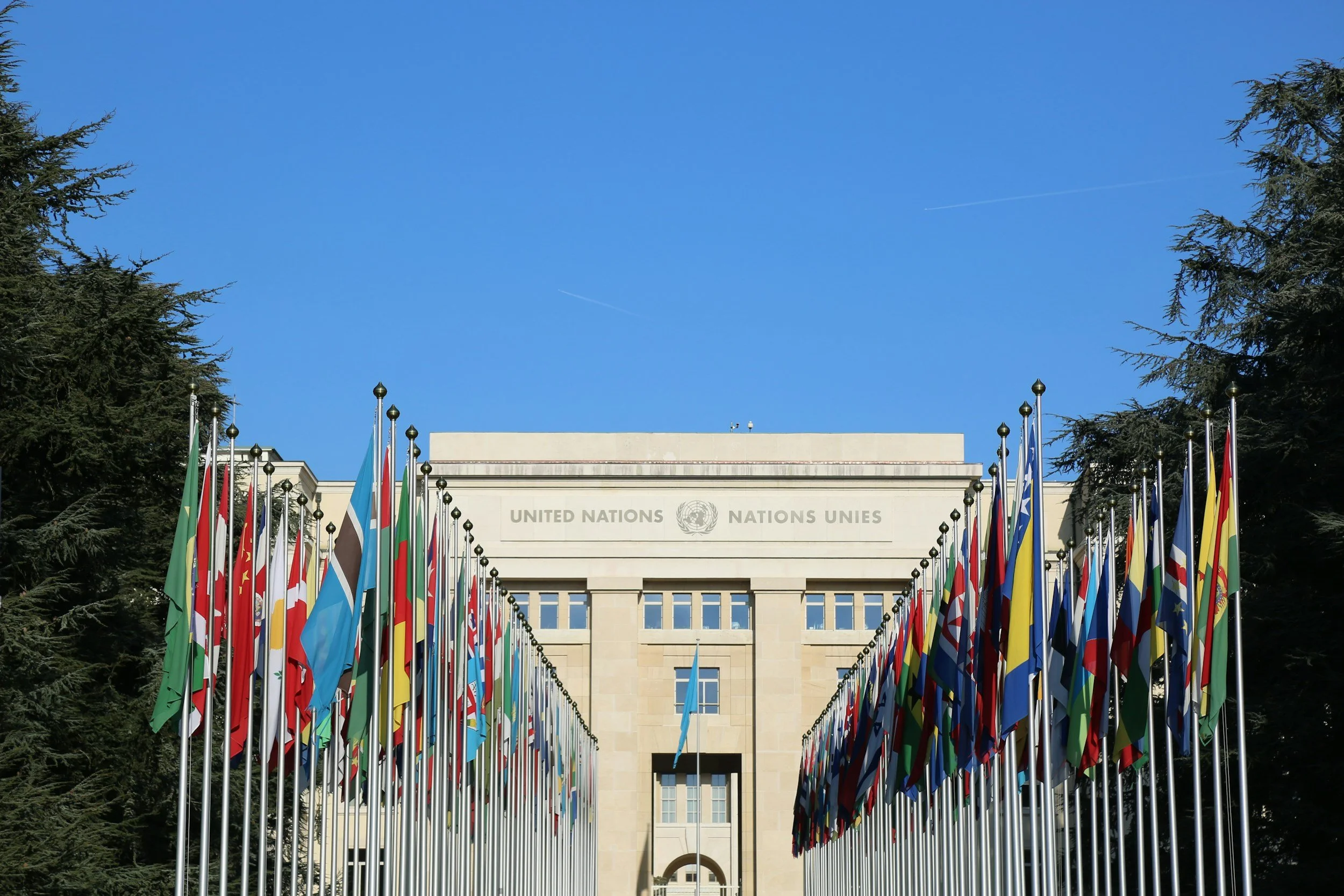
While the states of ECOWAS must work better in tandem, the United States has also been complicit in such stagnation, repeatedly burying coalition-led plans in the United Nations and imposing neoliberal economic deregulation that has lowered living standards. In pursuing its own economic interests, America has often neglected the needs of others, and without a profound shift in how it approaches developing nations, it will continue to draw the ire of those it tries to court. 

American partnership, not peonage, is needed. Otherwise, organizations like ECOWAS will continue to falter under adversity because positions taken become attached to big brother. Given its size, it is difficult for America to not loom large and lurk in the back of decision-making. That said, acknowledging that intervention has and continues to fail is needed for American policymakers to help actualize a more inclusive future that benefits both American and its partners. 

Until then, we can only hope that the trust destroyed during the pandemic can be reignited going forward. West Africa has come a long way already, and effective institutions, if maintained, could secure the livelihoods of some of the youngest, fastest-growing populations in the world.

Diving Deep: Renewable Energy’s Marine Future

By: Wyatt Dayhoff

A centerpiece of President Biden’s policy has been to incentivize the push for implementing and improving access to renewable energy, both domestically and internationally. His effort has been admirable, especially in the face of a divided legislature. However, these  efforts may be in vain if more of the materials necessary for clean energy cannot be found, placing the United States and potentially the world behind the renewable energy race. 

In 2022, the White House estimated that demand for rare earth minerals, or REMs, is set to increase from 400 to 600 percent over the next several decades. While mineral recycling could be the future of REM production, the necessary technology will not be ready for at least a decade. Until then, we can expect continued Chinese dominance in the market and repeated human rights violations in the resource-rich nations where mining takes place. Aside from investing in domestic sources of production, what else can the United States do? 

The answer could very well come from the depths of the Atlantic Ocean. Deep-sea mining, a practice in which machines move along the seafloor and extract football-sized nodules of crucial minerals like cobalt and lithium, has recently garnered significant attention for its potential to act as a sustainable alternative supply. Commercial mining has not yet been approved, as the International Seabed Authority (ISA) is still deciding on the terms for its regulatory code, which will be finalized come 2025. 

However, there is one catch: the United States is not part of the ISA. The ISA falls under the United Nations Convention on the Law of the Sea (UNCLOS), which the United States infamously has not signed onto. Instead, the United States has been relegated to an observer role, unable to vote on the code or propose any commercial projects of its own. Put simply, America has no skin in the game yet, but the United States can take on the initiative to be a leader and bring new regulations to the international table.

Deep-sea mining, aside from being a potential boon to the United States’ competitive advantage and commitment to renewable energy, is an industry that needs American leadership. The practice is not without its flaws: many ISA member states, nonprofits and scientists have come out against the practice due to its worrisome connotations for marine wildlife. Deep-sea ecosystems, whose value is still not fully known, are frequently devastated by the extraction machines. Aside from directly trampling organisms, mining machines suspend sediment in the water, smothering deep-sea species like anemones and sponges. Additionally, after the minerals are transported to the surface vessel, the vehicles must pump the excess sediment back into the ocean. This sediment is often released near 1,000 meters above the ocean floor and spreads over vast distances, suffocating midwater species that serve as the backbone of commercial fisheries. The region is so understudied that other damage may be present that we are not even aware of: an entire ecosystem hangs in the balance. 

In the face of these pressing concerns, the ISA has been unable to come to a decision. When the small island nation of Nauru declared its intent to mine in 2021, the ISA vowed (under the rules in its UNCLOS charter) to produce a mining code by 2023. When the General Assembly convened this year, however, they delayed a verdict until 2025. Having only provided exploratory permits to this point, the ISA has control over the direction of this nascent industry but, without guidance, could easily fail to set the right terms, or any at all. 

The Biden Administration can cement its status as a global sustainability leader and bolster its credibility by filling in the leadership vacuum. While ratification of UNCLOS would take ⅔, or a super majority  of the Senate to pass, the economic and geopolitical opportunities of diversifying our REM supply ought to be highly supported by both sides of the aisle. Once a signatory, America can take charge and propose common-sense regulations to the industry, including waste-disposal requirements and imposition of additional environmental havens, or APEIs. These sorts of regulations, while cumbersome for miners, fall in line with Biden’s policy priorities and strike a firm balance between economy and ecology. 

Even if the ISA fails to come to an agreement in 2025, this industry will not stay nascent forever. Mining will start, whether the United States is involved or not. With enormous environmental and geopolitical ramifications, it is incumbent upon America to be a player in the decision-making process behind the future of deep-sea mining. President Biden, the ball is in your court.