Asia’s Economy Today Sets the Precedent for the World
By: Aliza Susatijo
“We are victims of a war that we didn’t choose nor want.”
President Ferdinand Marcos Jr. of the Philippines made this statement in a video message addressing the economic concerns incurred by the United States and Israel’s War against Iran. Soon after, he declared the Philippines to be in a national energy emergency. This decision stems from the country’s heavy reliance on oil imports, with 98% coming from the Gulf. Many other Asian countries, such as Thailand and South Korea, are likely to follow suit as oil prices continue to rise, given their dependence on oil from the Middle East.
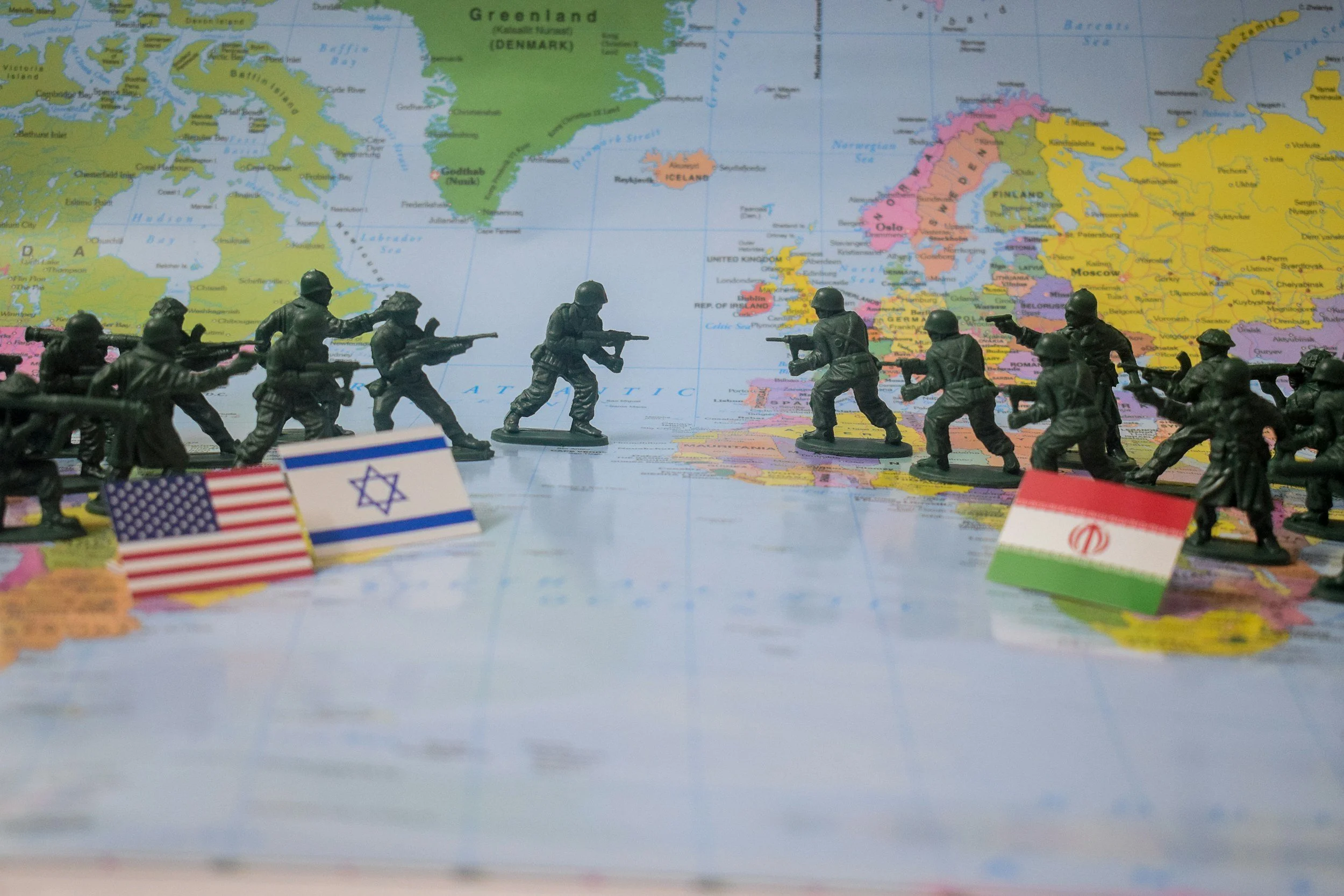
With weeks of military tension culminating in an air strike by the United States and Israel on Iran on February 28th, 2026, Iran inevitably retaliated by halting what almost every person relies on: oil. Tehran began by threatening trade ships crossing the Strait of Hormuz—a 21-mile waterway that acts as an oil chokepoint connecting Gulf countries to global oil markets—before effectively closing the Strait to conduct live fire drills, putting pressure on the United States and its allies. The fighting has caused a surge in oil and gas prices worldwide, marking the biggest oil supply chain disruption in history.
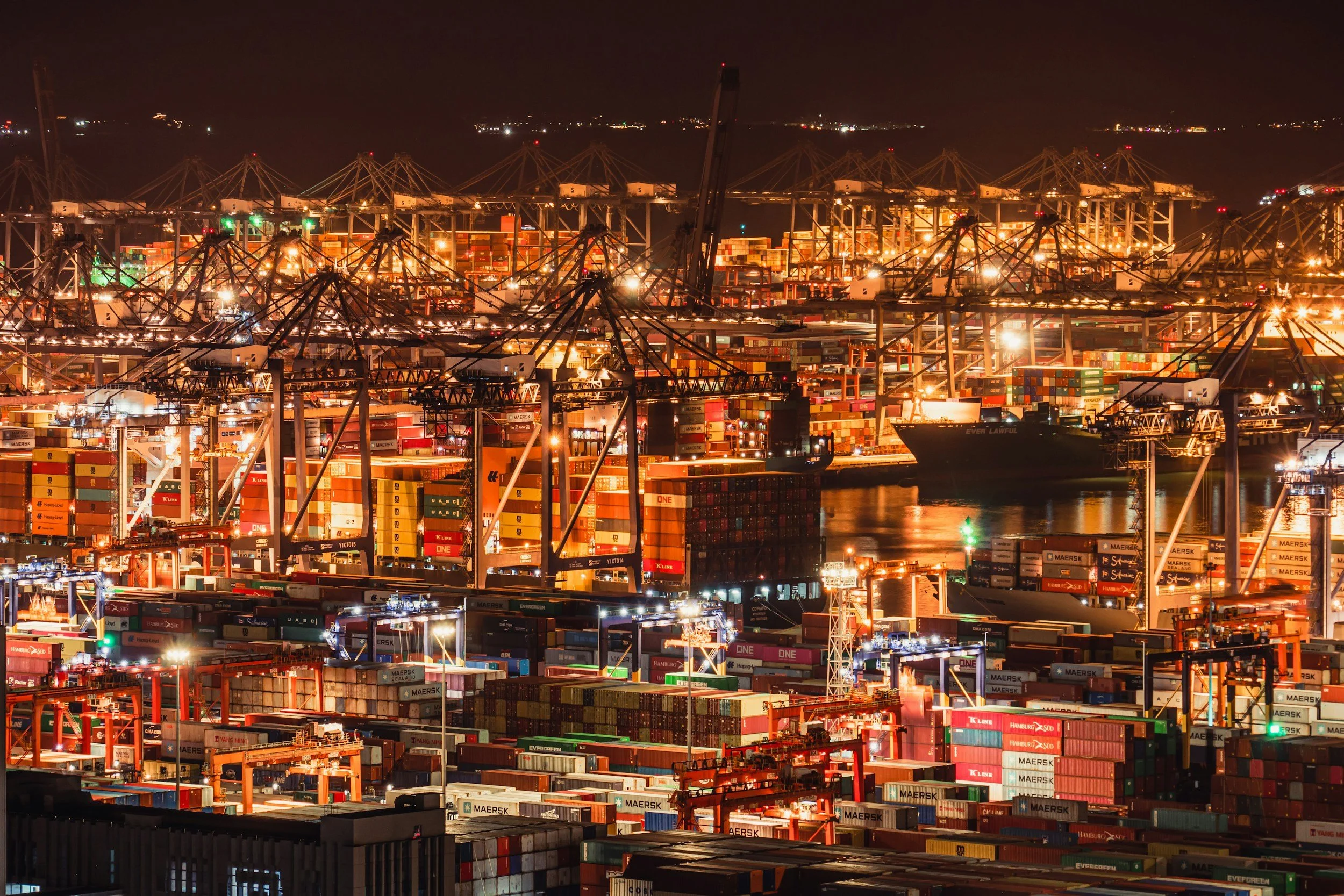
Due to Asia’s status as a center for global trade, the detrimental impacts on its economy are likely to cause a ripple effect on the rest of the world. Beyond just crude oils, buyers in the Middle East have abruptly halted their imports of Southeast Asian and Indian agricultural produce. Shipping disruptions caused 80,000 tons of Thai rice set to be exported to Iraq to be halted at a Bangkok port. In addition, India’s agricultural exports of bananas and rice to Gulf countries have been severely impacted, leaving farmers at a loss. With all of this excess produce, farmers are forced to flood local markets with much lower prices, causing a deficit in their profits.
For countries that depend on tourism to boost their economy, the war proves detrimental to national income as travel and energy costs skyrocket, dissuading tourists from traveling. Further, Asian countries with major semiconductor industries, such as South Korea and the Philippines, are impacted by supply chain disruptions due to the energy crisis and the disrupted flow of air cargo. This affects major economies such as the United States, Japan, and China, each of which both exports semiconductor materials to South Korea and imports the finished products from South Korea.
With China’s position as a major global trade partner and the role of Southeast Asian countries in textile and agricultural production, it is only a matter of time before the United States and Europe see rising costs in markets beyond gas prices. Further, the effects of the United States’ war with Iran could place a strain on the geopolitical alliances and partnerships held with Asian countries, as their governments feel they are bearing the brunt of a war they have no part in.
Large countries like China have been able to stockpile enough oil to create one of the world’s largest oil reserves, insulating them from the rising oil costs for at least three months. Smaller countries with less of a buffer are not so lucky.
Countries with developing economies have been highly dependent on importing crude oil from the Middle East. With this sudden blockade, these countries are forced to pivot. In an effort to sustain their working economy, the Filipino declaration of an energy crisis allows the government to directly purchase fuel in order to shore up a supply, as well as create a committee in charge of developing preventative measures to ensure energy stability. This includes introducing a four-day work week for civil servants to reduce travel, offering subsidies to transport drivers, and regulating the distribution of fuel and other essential goods. Other solutions that Asian countries have turned to include implementing fuel caps to limit spikes in the economy, or mandating school closures and remote work.
Although temporary solutions aid in stemming the oil and energy crises spreading across Asia, economic tensions worldwide will continue to rise, reflecting the emergencies that are now being seen in Asia. One alternative that may offer a long-term solution is a greater investment in renewable energy and green hydrogen. Green hydrogen—a zero-emission fuel produced by splitting water into hydrogen and oxygen using renewable energy through electrolysis—has seen a major advancement in usage in China. By 2050, China expects to see 70% of its hydrogen developed through renewable energy sources. Smaller countries that place a large emphasis on technological and environmental advancement have made significant gains in replacing traditional energy sources with renewable options, with countries such as Singapore and South Korea set to be net-zero by 2050. These lofty goals would reduce Asia’s reliance on Middle Eastern oil imports significantly, detaching them from the future impacts of the war.
Should the increased production of renewable energy be found as a viable option, it may serve as a long-term solution that prevents the Western Hemisphere from expending its oil reserves and experiencing an oil and energy crisis should the war continue.
The Innate Politicism of the Olympics
By: Aliza Susatijo
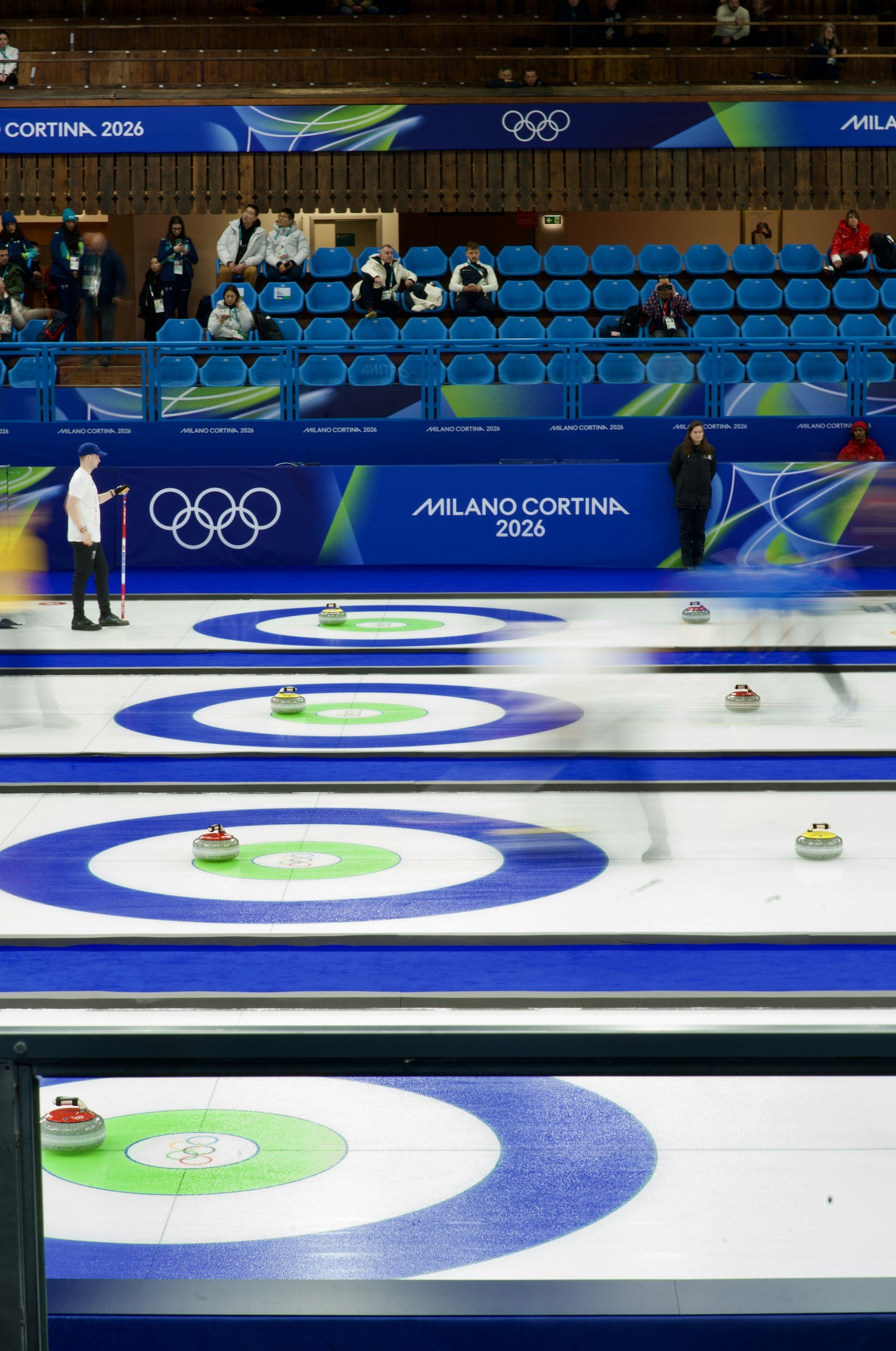
With winter storms keeping people indoors, the 2026 Milan Cortina Winter Olympics have taken center stage this season. Dazzled by intricate figure skating routines and the dizzying speed of downhill alpine skiing, it is easy to get absorbed in the thrill of the games.
Yet the Olympics also represent a global effort for each country to put forth its best athletes, participating in a tradition that unites countries in a celebration of human accomplishment. As athletes compete for their countries, it has become a debate as to whether this representation causes athletes to become associated with their respective country’s politics. Is it possible to maintain the Olympics as purely an apolitical commemoration of worldwide sports, or is it irresponsible to ignore pressing political issues while the Olympics unfold?
In 2022, Russia and Belarus were banned from participating in the Beijing Paralympic Winter Games after Russia invaded Ukraine and Belarus supported Moscow.
This decision came after multiple countries and numerous athletes threatened to boycott the games out of fear for their safety in the Olympic Village. This ban has been ongoing, with select Russian and Belarusian athletes eligible to compete as Individual Neutral Athletes (AINs) under a neutral state, unassociated with their home countries. While this compromise has lasted throughout the 2024 Paris Summer Olympics and this year’s Winter Olympics, there remains a thinly veiled tension.
Ukrainian skeleton racer Vladyslav Heraskevych was disqualified by the International Olympic Committee (IOC) for wearing a helmet emblazoned with the images of his fellow Ukrainian athletes killed in Russia’s invasion. The helmet was considered inconsistent with the Olympic Charter and Guidelines on Athlete Expression because of its active presence in the game, which violates the Charter’s policies on political expression, as it could interfere with play.
Yet Heraskevych’s helmet was not an inflammatory political statement. Rather, it was a commemoration of the athletes who should have been alongside him at the Olympics that day.
Unique to this season’s Olympics, it has been reported that U.S. Immigration and Customs Enforcement agents were deployed by the U.S. government to Milan during the games, spurring a variety of responses. The IOC called their presence “distracting,” and hundreds of Italian demonstrators protested in Milan with signs that say “ICE out of Milan” or “ICE Out Of Everywhere.”
U.S. athletes, such as freestyle skier Hunter Hess, have been asked about ICE’s actions and the division of communities in the United States. Hess expressed his reluctance to represent all aspects of the United States, stating that “Just ’cause I’m wearing the flag doesn’t mean I represent everything that’s going on in the US.” After this statement, President Trump took to Truth Social to condemn Hess, calling him a “real Loser” for speaking against America.
In moments such as this, athletes face a predicament as they aim to differentiate representing their country in the sport they love from supporting all the policies and mandates of their country.
With the audience and influence that the Olympics hold, it is difficult for the IOC to toe the line between allowing freedom of expression for its athletes and avoiding political statements that distract from the games themselves. Athletes must contend with representing their country and expressing their own opinions as individuals. While competing on a world stage and being broadcast internationally, it is understandable that athletes may make a political statement, whether that is in defense of or against their country.
With clear regulations on hate speech or statements that may endanger athletes within the Olympic Village, athletes should be able to safely voice their beliefs without fear of retribution from the IOC or their home country.
From Heraskevych to Hess, athletes work their entire lives to reach this world stage. Just as they compete as representatives of their country, they should also be able to represent the ideals and sentiments that they believe in.