Ireland, Populist Xenophobia, and Right-Wing Populism in the Western State
By: Luke Crafton
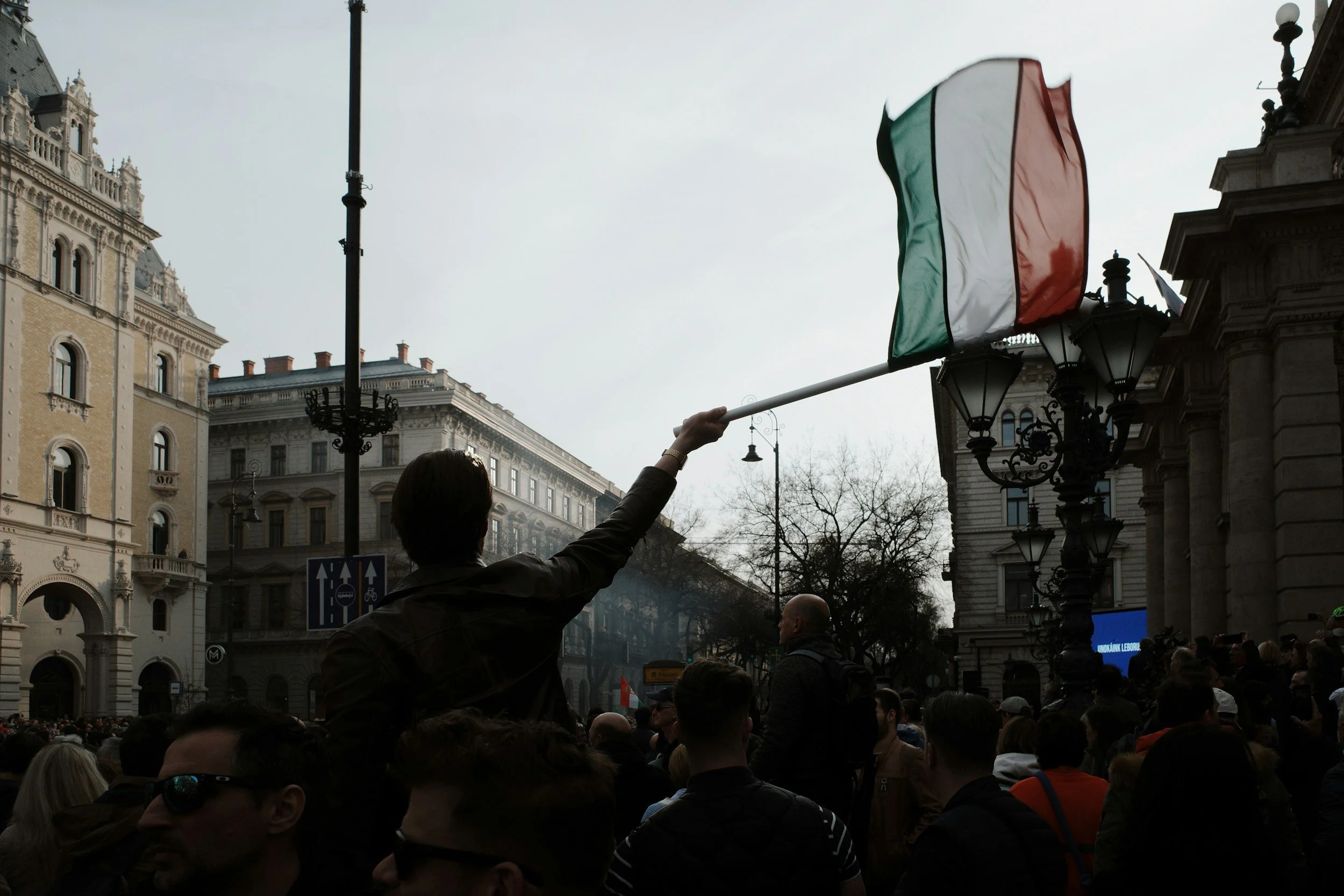
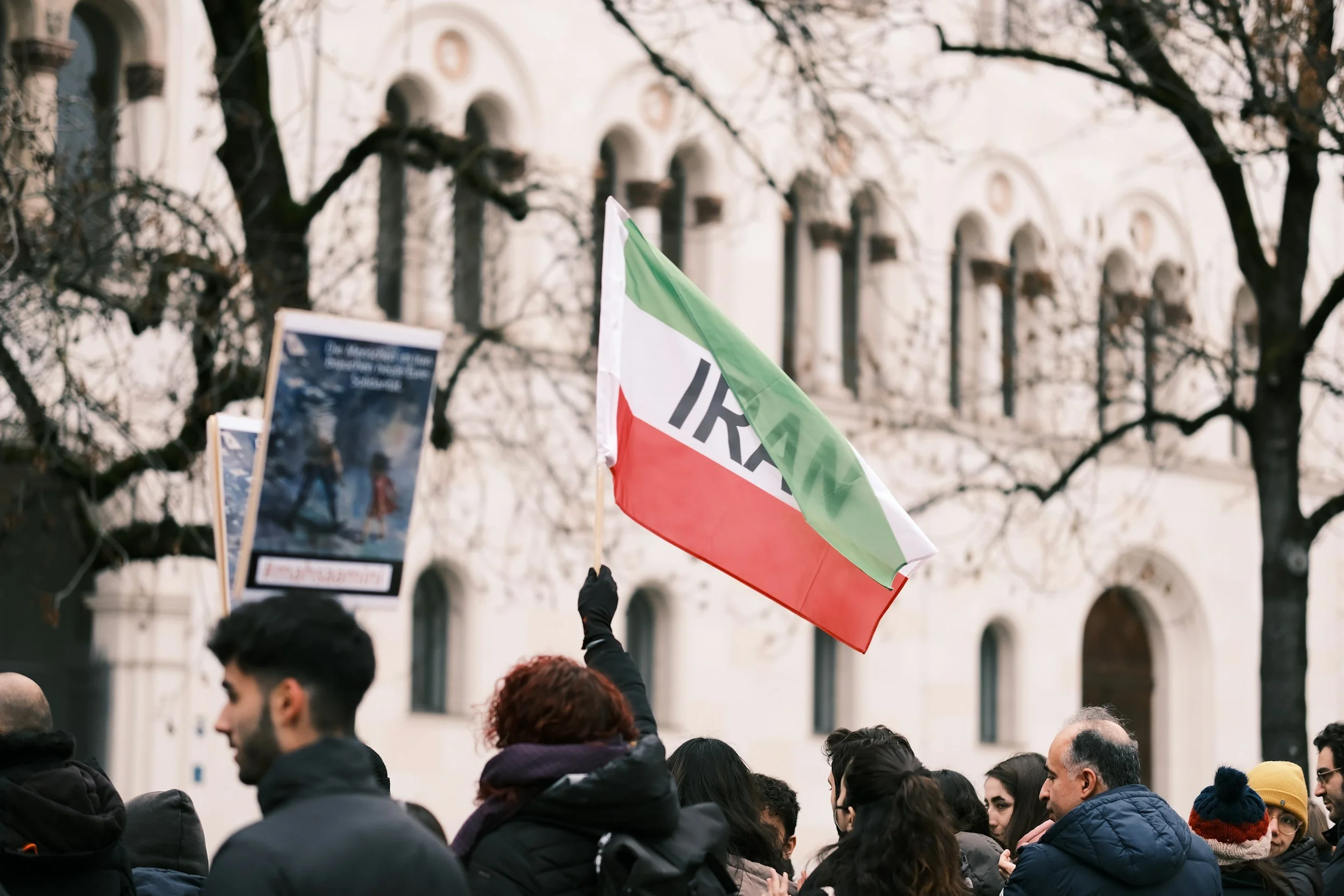
Almost three years ago, in November 2022, a new wave of far-right Irish politics erupted. For the first time, fierce protests arose over the development of asylum housing for 380 men, women, and children in a former office building in East Wall, Dublin. Locals involved in the protest cited widespread claims which pinned their frustration over the housing struggles of area natives on the influx of migrants. Protestors also expressed distress over anecdotes of disproportionate amounts of unmarried males arriving in Ireland, highlighting unfounded reports of violence and aggression habitually being expressed by migrants and asylum-seekers.
In November 2023, riots broke out across Dublin that instantly circulated on social networks. Following the stabbing of three children in East Dublin, new Irish right-wing platform Gript, along with various right-wing politicians, began rapidly disseminating information about the perpetrator. Riad Bouchaker’s Algerian identity became a focus, despite his status as an Irish citizen of 20 years.
The manifestation of this vitriol boiled over on the 23rd. Events included a riot peaking at 500 people involving fireworks and flares, the assault of the gardaí (the Irish police), and the destruction and burning of a Luas tram and gardaí vehicles, costing tens of millions in damage. The ramifications of misinformation and biases were unleashed in some of the most severe disarray that Dublin has seen in recent history.
This rise in violent far-right demonstrations in Ireland is rooted in populist xenophobia, and has led to the manipulation of a population with valid grievances over housing, economics, and crumbling social welfare systems. Migrants’ concern for their community’s well-being has been weaponized against their communities, which are some of the most vulnerable in the country. Brian Killoran, the CEO of Immigrant Council in Ireland, states that “The far right is a lightning rod…They are harnessing dissatisfaction in communities and blaming migrants when actually there are much bigger structural problems.”
Many experts point to the fact that the areas of Ireland most active within the wave of nationalism are those in “ignored and deprived” regions where “disproportionate” amounts of migrants are housed due to vacancies and lack of competition. The presence of migrants in these areas is more clearly visible to the Irish natives, therefore reinforcing a collective sense of neglect from the Irish government.
In response, these populations feel validated in their belief that they are being displaced and thrive upon rhetoric that continues to blind them to the larger serious, but repairable, problems that Ireland faces.
Ireland represents the experiences of many Western countries as they continue to face challenges in housing, economy, and in the provision of social services, especially following the COVID-19 pandemic. Ireland is not an isolated example of right-wing populism, as countries globally lean towards more drastic right-wing platforms centered around xenophobic rhetoric and anti-immigration policies. However, whether or not this fever faces the root causes of these systemic problems or scapegoats migrants to cope with the issues remains to be seen.
Migration will continue to grow in our highly globalized world due to conflicts, inflation uncertainty, and economic recession. With the West perceived as increasingly welcoming to migrants, America and Europe will have to make a decision. They must decide whether they are willing to honestly confront the changing dynamics of the international community, or if they will turn to ethnocentrism and withdraw from responsibilities to global politics for temporary relief from uncertainty.
Currently, the West has the ability to choose whether it will tackle these problems with awareness and tolerance, or lead our societies to experience firsthand the failure of right-wing populism as a miracle cure for growing domestic and international crises.

Continued French Ignorance of Indigenous Populations
By: Luke Crafton
In May 2024, riots roared across the French Overseas Territory of New Caledonia due to the French government’s implementation of a new voting amendment. The legislation, passed by politicians across the ocean in Paris, allowed for residents who have been on the island for at least 10 years to vote in elections and participate civically.
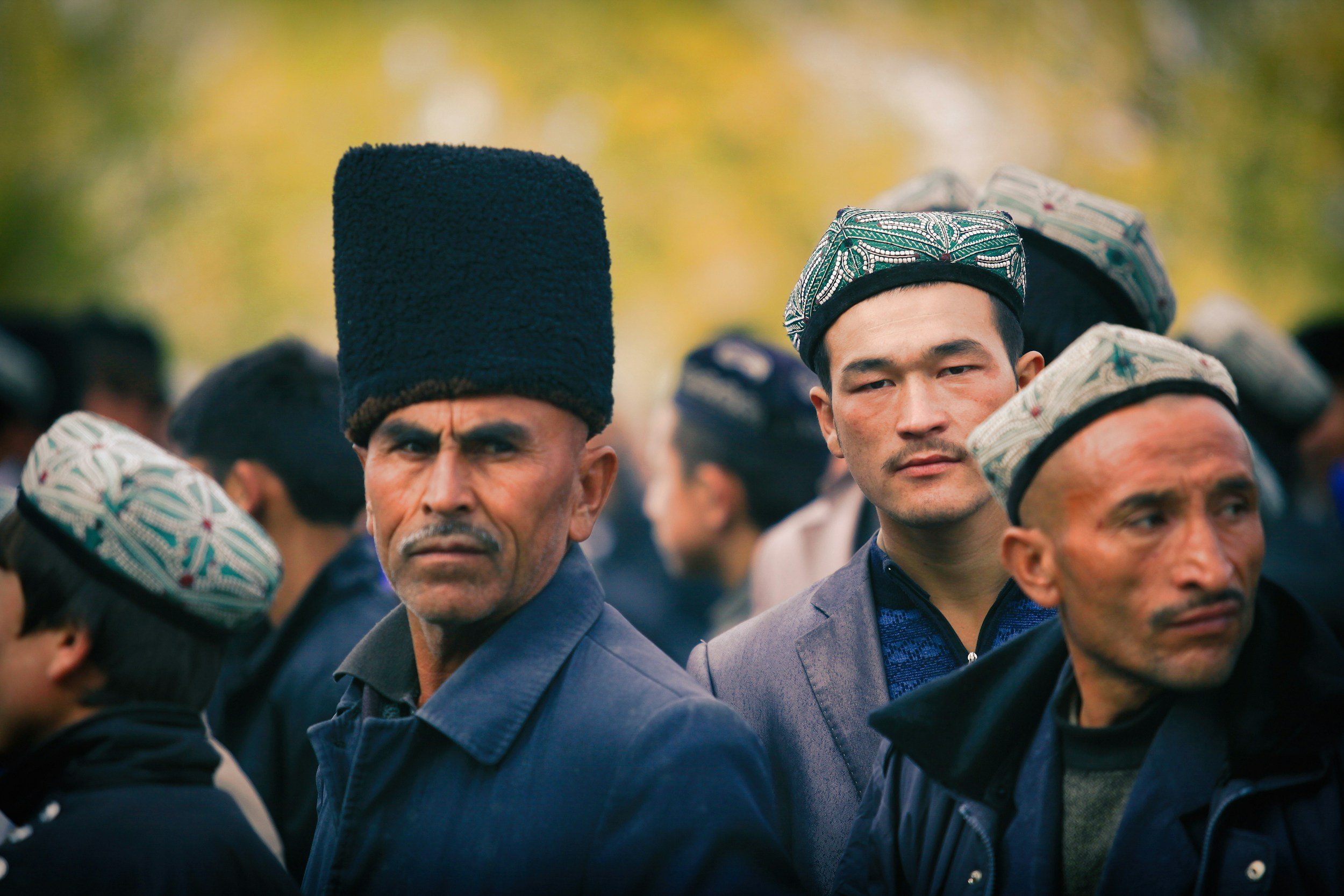
However, the Indigenous Kanaks, who make up 41% of the country’s population, have lived through many migration efforts by the French government since the 1960s. These attempts have encouraged French residents to migrate to the territory, actively displacing and lessening the influence that the Kanak have over their native land.
For decades, tensions have continued rising between the island's pro-independence and loyalist parties. The Kanak have continuously suffered from the neglect of the French government and face numerous socioeconomic challenges, such as unemployment, reliance on subsistence farming, and land dispossession.
This amendment is seen as just an additional move to disregard and overlook the struggles and needs of the island’s native population.
Between the 1960s and 1980s, the movement for independence within New Caledonia swept across the country’s political scene, and in 1988, a referendum for independence was accepted: the Nouméa Accord.
This frustration has now taken a new front.
Native Kanak peoples seeking the autonomy that was gradually promised in the 1989 Nouméa accord feel that any progress has effectively been walked back through this motion, a step that many see as further reducing the influence they have in their homeland by those who are supposed to represent their needs in their politics.
Even UN experts have been alarmed by the situation, stating: “The French government has failed to respect the basic rights to participation, consultation and free, prior, informed consent of the Kanak Indigenous Peoples and its institutions, including the Customary Senate.”
Beginning in February 2024, Kanak people have taken to the streets in response to protest this measure. Still, due to a lack of dialogue, violence has started to emerge out of these demonstrations. In response, the military has utilized what many have referred to as excessive force, leading to today with the deaths of 14 Kanaks, over 2000 arrests, and nearly 1 billion euros of damage. A large factory was burnt down in Nouméa, alongside the destruction of other property like businesses and cars.
On the 16th of May, the French government even banned TikTok on the island, aiming further to reduce the spreading of communication and anti-government sentiment. The app’s restrictions were lifted on the 29th as violence began to lighten up due to a French military operation that targeted those organizing.
Yet, attacks persist across the country as tensions run high between the natives of the New Caledonian islands and the police and military forces, who just months ago employed any means necessary to suppress their voices and resentment over the poor treatment of their communities within the island’s political sphere. A strong police presence remains in many neighborhoods and urban areas across the country, signaling to the Kanak that those who claim to be interested in their liberation still don’t trust or understand them.
New Caledonia’s status as an overseas territory, especially in the 21st century, is incredibly unique and repeatedly displays the inadequacy of colonial policies that persist in the modern era.
Roughly 71 overseas territories exist globally, and while not all have created difficult situations for Indigenous populations’ homelands, New Caledonia exemplifies how governments that are so detached can be wholly inadequate for meeting the needs of the people that they have jurisdiction over.
As this situation unfolds, the international community will continue to watch how poorly this form of governance can manifest itself upon those it is designed to protect.