The Congo in Crisis
By: David Ball
The conflict in the Eastern Congo has been the deadliest war since World War 2, with over 5 million killed. What has been a 25-year-old conflict might be reaching another boiling point, in which could reshape the DRC and the lives of millions for years to come. The recent capture of Goma and Bukavu has led to 7,000 deaths, over 940,000 people displaced, and hundreds of human rights abuses, such as: rape, abduction, child soldier recruitment, and claims of ethnic cleansing. While this is currently occurring, the international world and the United States are largely apathetic to the crisis and the millions of people it has and will affect.
The main rebel group in Eastern Congo, named the M23, takes its name from the March 23, 2009 agreement between the Congolese government and the CNDP militia—a peace treaty whose implementation many former CNDP fighters, predominantly Congolese Tutsis, later found unsatisfactory. Frustrated by the treaty’s failure to fully integrate them into the national military and broader society, these fighters rebelled, giving rise to the M23 movement in 2012. M23 has direct ties to Rwanda’s Tutsi-led government, which has provided direct military assistance, including recruitment and logistical aid to the rebels.
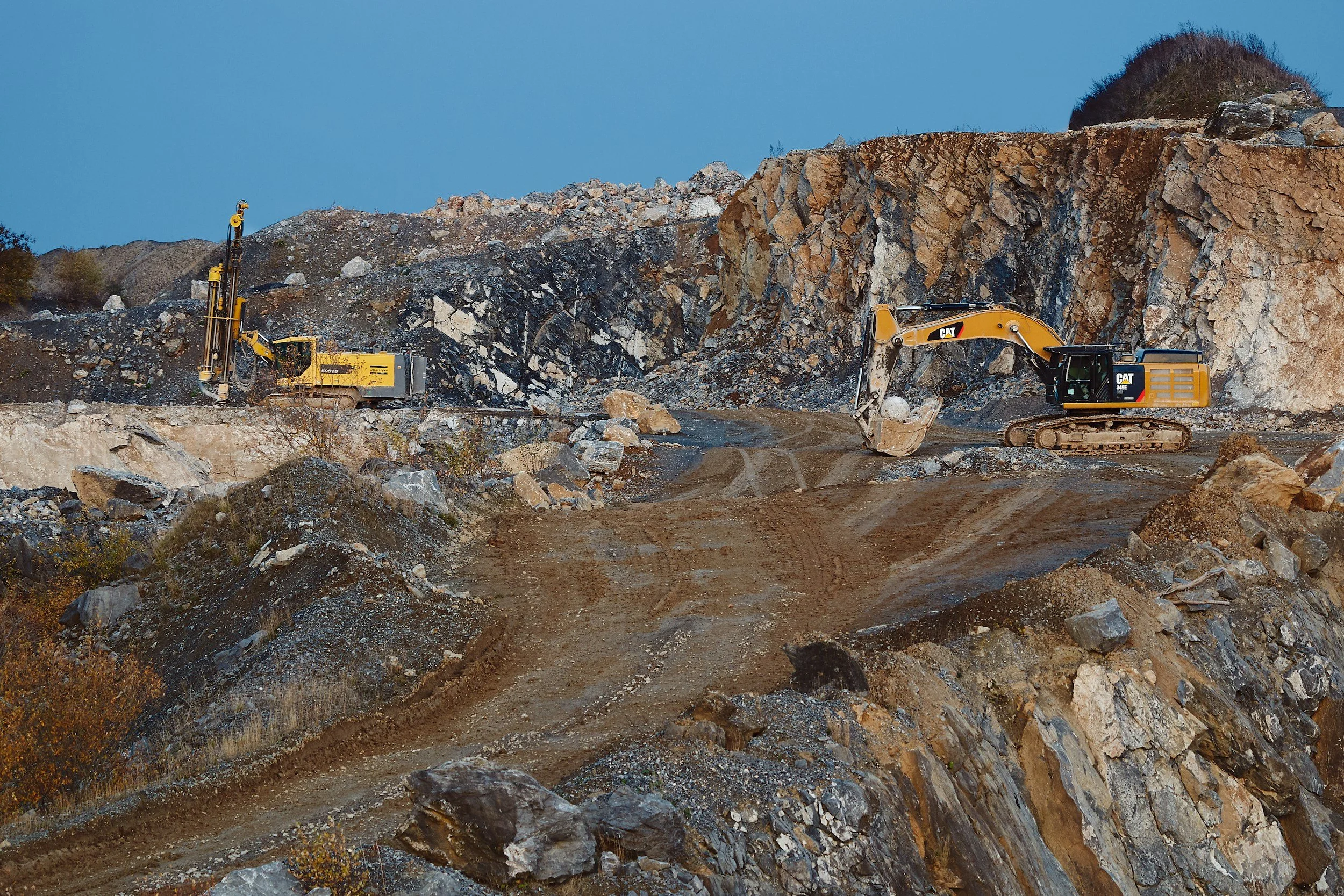
Beyond ethnic and political grievances, economic motives play a significant role in Rwanda’s support for the rebels. North and South Kivu, where M23 operates, is rich in minerals, including diamonds and cobalt. The DRC is the world’s largest cobalt producer and the fourth-largest diamond producer, and has an estimated $24 trillion in mineral deposits under its soil. By backing M23, Rwanda can control these resources, and exploit the Congo’s vast untapped wealth.
The conflict between M23, Rwanda, and the Democratic Republic of the Congo is far from new. M23 first came into prominence in 2012, when it invaded Goma with backing from Rwanda. The subsequent fallout from the invasion unleashed a wave of human rights abuses, including sexual violence, arbitrary arrests, and executions. However, with support from the UN, the Congolese army, and international strong-arming, the M23 was eventually forced to retreat, and Rwanda agreed to stop funding its operations.
This time, however, the situation is different. Not only is M23 stronger, with increased backing from Rwanda, but the UN and the Congolese government have struggled to push back the advancing rebels. On February 17, the M23 captured Bukavu, the capital of South Kivu province, home to over 800,000 people. The continued instability and territorial expansion of M23 forces have already displaced an estimated 1.65 million people in the region, and over 800 thousand children are out of school due to the conflict.
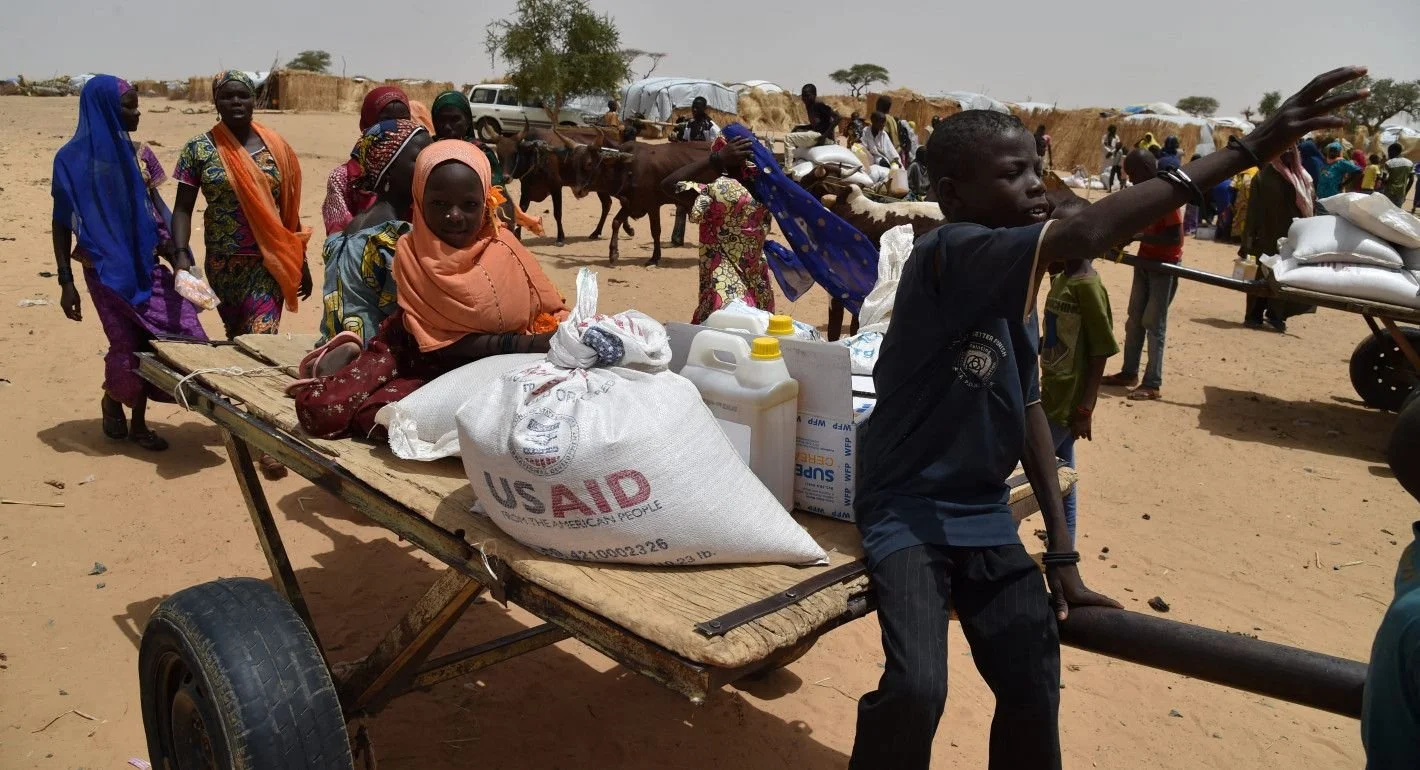
While the conflict has escalated, there is still an opportunity for a solution. Many European nations including the UK are in talks to plan sanctions against Rwanda,in order to pressure Kagame to pull back his military and logistical support. While this helped resolve the conflict in 2012, Kagame will be harder to convince this time around. Rwanda has increasingly relied on China for foreign assistance, and the cessation of USAID programs in the region has cut off the economic pressure that the U.S. can put to curb Rwanda's support for M23. On February 22nd, the UN Security Council demanded that Rwanda withdraw all its troops from eastern Congo, as proposed by France. While this is certainly a step forward, the UN’s credibility in the region is mediocre at best. Its peacekeeping efforts have been largely controversial, facing domestic opposition - even at the point that the Congo’s president - Tshisekedi asked the organization to withdraw from the Congo in 2023. Additionally, it has been unable to operate in areas occupied by M23 forces, severely limiting its effectiveness.
It is clear that there needs to be a new approach to curb the rapidly deteriorating situation in the Eastern Congo. The U.S. should cut military aid to programs that support M23, and sanction Rwandan military members who are directly imbedded with the rebels and others who commit war crimes, as they did in 2012. Ugandan forces have also been embedded in Eastern Congo since 2021, to help fight jihadist rebel groups. If Uganda decides to take advantage of the chaos, there could be a repeat of the Second Congo War, which caused the deaths of between 3-5 million and the displacement of millions more. To stop the conflict from expanding, the U.S. should leverage its diplomatic prestige to bring Congo, Rwanda, and Uganda to the negotiating table. This conflict should also be more publicized, both in academic circles and online. Rwanda uses sports to advertise itself. By spreading the word about brands such as Arsenal, Bayern, and PSG supporting Rwanda, we can put pressure on Kagame to resolve the conflict.
While this issue may seem distant, its consequences affect the livelihoods of millions of people. In March of 2023, Human Rights Watch released a report stating that “A 46-year-old mother of six, who fled Mushaki in Masisi territory on February 25… said [that] … four of them raped me. As they were raping me, one said: ‘We’ve come from Rwanda to destroy you.’”
60 years ago, the first president of the DRC, Patrice Lumumba wrote his last letter to his wife, before his assassination. He stated “We are not alone. Africa, Asia, and the free and liberated peoples in every corner of the globe will ever remain at the side of the millions of Congolese who will not abandon the struggle until the day when there will be no more colonizers and no more of their mercenaries in our country.”

Nuclear Deterrence in a New Age: A Story of South Korea
By: David Ball
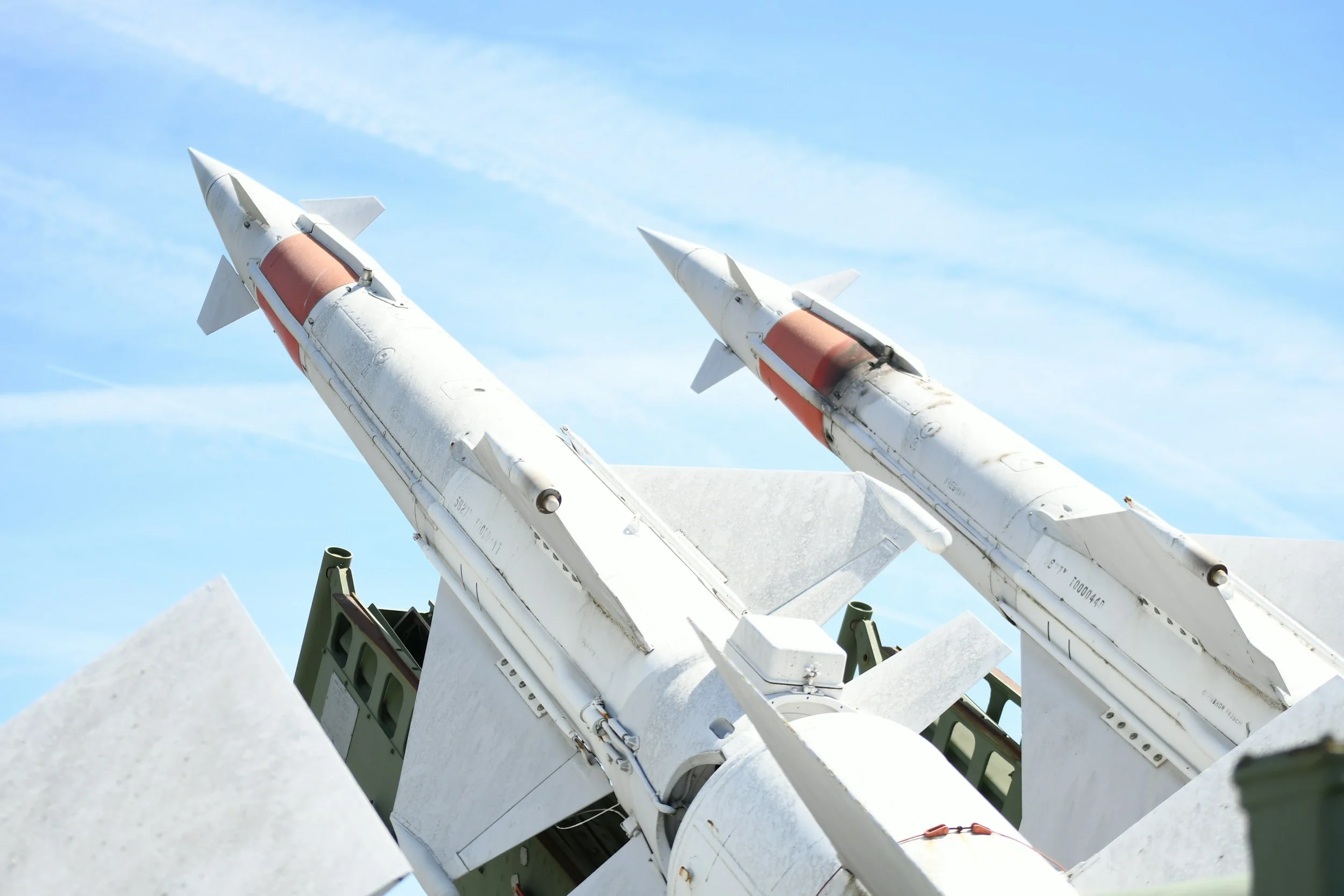
U.S. foreign policy stands at a precipice in shaping its nuclear doctrine for the 21st century. Instability has driven some countries to consider the atomic bomb, while others race to expand their nuclear arsenals. By the end of the decade, China is estimated to have over 1,000 operational nuclear warheads. Meanwhile, other states are scrambling to safeguard themselves against nuclear threats and global instability, as once-strong alliances and long standing commitments are showing signs of faltering.
In 2026, the last nuclear doctrine limiting atomic weapon production between the US and Russia will expire, and it is unlikely to be reinstated. Following the fear of a Ukrainian counterattack in October 2022, the White House was briefed that there were conversations about Russia deploying nuclear weapons in Ukraine. These instances signify a change in nuclear deterrence.
It is increasingly clear that the U.S. is confronting a multipolar world in terms of nuclear strategy. As NATO faces unprecedented tests and global instability worsens, a new arms race is emerging. To address its changing nuclear position, the U.S. must focus on renewed assurances of diplomacy with its allies.
South Korea, one of the United States' key allies, stands at the forefront of this nuclear change. In recent months, its primary geopolitical adversary, North Korea, has recently begun rapidly expanding its nuclear capabilities and has been escalating the rhetoric around using nuclear options. The nuclear question has been a topic of intense debate in South Korea since the 1970s, when the US first announced that they would be moving troops away from the peninsula, but this moment comes at a more tumultuous time.
Not only does North Korea have operational nuclear weapons, but heightened tensions between North and South Korea, uncertainty surrounding the strength of the U.S.-ROK alliance, and North Korea’s closer ties with Russia have created a volatile geopolitical landscape. Notably, 70% of South Koreans believe that its government should develop its own nuclear weapon capability. It is clear that these developments illuminate the need for increased diplomacy to protect our allies and uphold global nuclear nonproliferation efforts.
This increasing weariness of the ROK’s favorability to develop a nuclear weapon has not gone unnoticed. In July of this year, the Biden administration signed a bilateral agreement with the ROK on a joint nuclear deterrence guideline. While the specifics of this agreement remain classified, it was indicated that it would involve the commitment of U.S. nuclear weapons on assignment in South Korea, which allows for the U.S. to respond to a threat quickly, but without having to change its nuclear stance. While this represents a step toward an increased engagement in diplomacy, gaps remain. Defense officials, academics and other influential policymakers within South Korea are both doubtful that the guideline will survive into the coming years, and are stressing the importance of building a more concrete relationship from this guideline.
By implementing and improving on the guidelines signed in its nuclear doctrine, South Korea can be a critical example of how to strengthen the U.S. nuclear umbrella without resorting to nuclear weapons testing. A detailed implementation roadmap that includes regular military exercises and bolstered diplomatic and military ties between South Korea and the United States could help promote deterrence and peace through strength, and reassure U.S. allies internationally of its nuclear umbrella.
Military nuclear exercises have already been held in South Korea, meaning that regular exercises can be possible, as the infrastructure and diplomatic cooperation already exist. Not only would this deter the DPRK, it would also help illustrate the commitment the U.S. has to its other allies that are threatened by the nuclear question, boosting nuclear proliferation and stability for all.