Emma Kim

Complicit in War Crimes: The US Response to the War in Sudan

By: Emma Kim

The US is complicit in the suffering currently taking place in Sudan. 

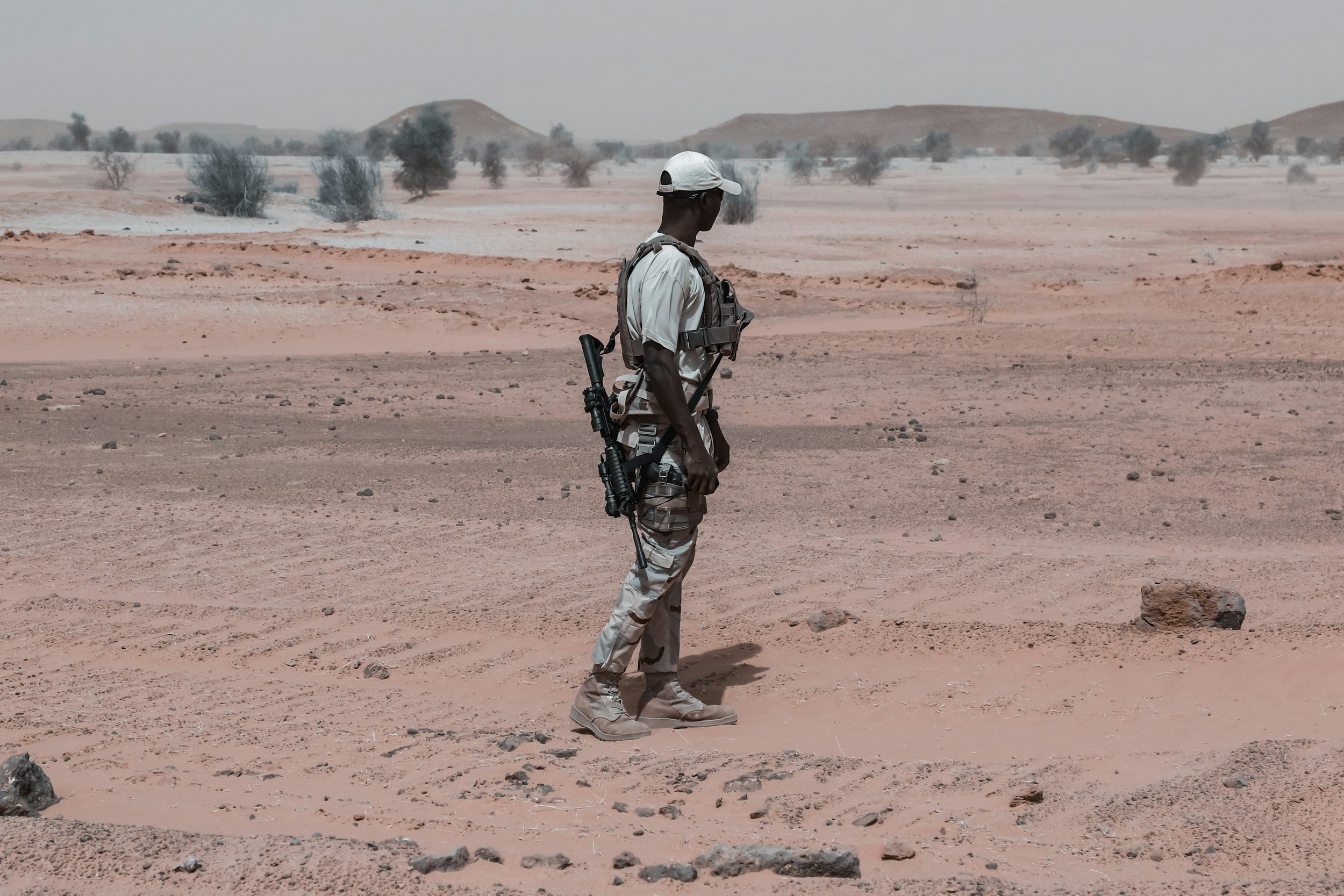
Since April of 2023, Sudan has been engulfed in a brutal civil war between the Sudanese Armed Forces (SAF) and the paramilitary group known as the Rapid Support Forces (RSF). Reports of mass violence and genocide have long been present in the conversation surrounding this conflict, and the RSF’s recent overtaking of Darfur’s only remaining city center, el-Fasher, is no exception. 

United Nations officials have been investigating claims of war crimes and genocide in Sudan since the onset of the war, repeatedly warning of escalating atrocities against civilians. Reports are circulating of rapes, mass killings, and attempts by the RSF to conceal these crimes following their hostile takeover of el-Fasher. However, a deep history of similar crimes is embedded throughout this conflict.

While both forces involved in this war have been accused of war crimes and human rights violations, the most recent violence taking place in el-Fasher is being perpetrated by the RSF. Multiple investigations have signaled that the RSF has been receiving covert financial support from the United Arab Emirates (UAE). While the UAE has repeatedly denied its involvement, evidence against them is mounting, and many Western powers are growing suspicious.

The US is a long-time trading partner of the UAE. The US recently invested $200 billion in this relationship in sectors including technology, aerospace, and oil. The US has a long history of supplying the UAE with weaponry, including fighter jets and helicopters, both prior to and during the current civil war. 

After US intelligence confirmed that the UAE had been supplying the RSF with Chinese-made weaponry including drones, many in the US government questioned whether the US should lessen its economic involvement with the UAE and its export of weaponry to the Gulf state. Despite mounting evidence of the RSF’s cruelty in Darfur, US engagement with the UAE has not stopped

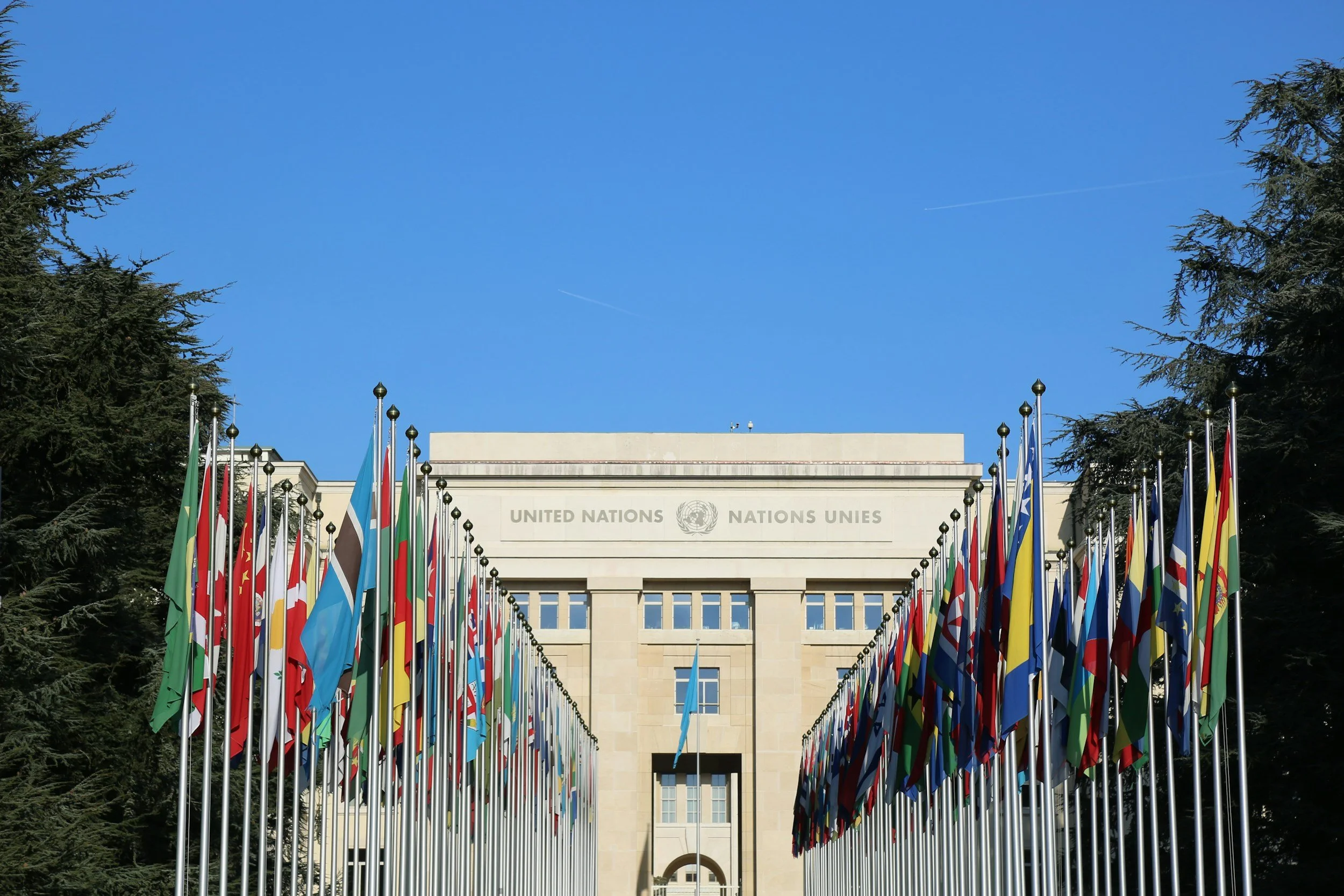
By refusing to put pressure on the UAE to halt its support of the RSF, the US has failed the Sudanese people. Reports of war crimes and other atrocities in the region are not new, with involvement from the RSF and other groups. International organizations such as the UN are calling for intervention from nations party to this war. While the RSF has agreed to a temporary humanitarian ceasefire, this conflict should never have been allowed to reach the point it has now. 

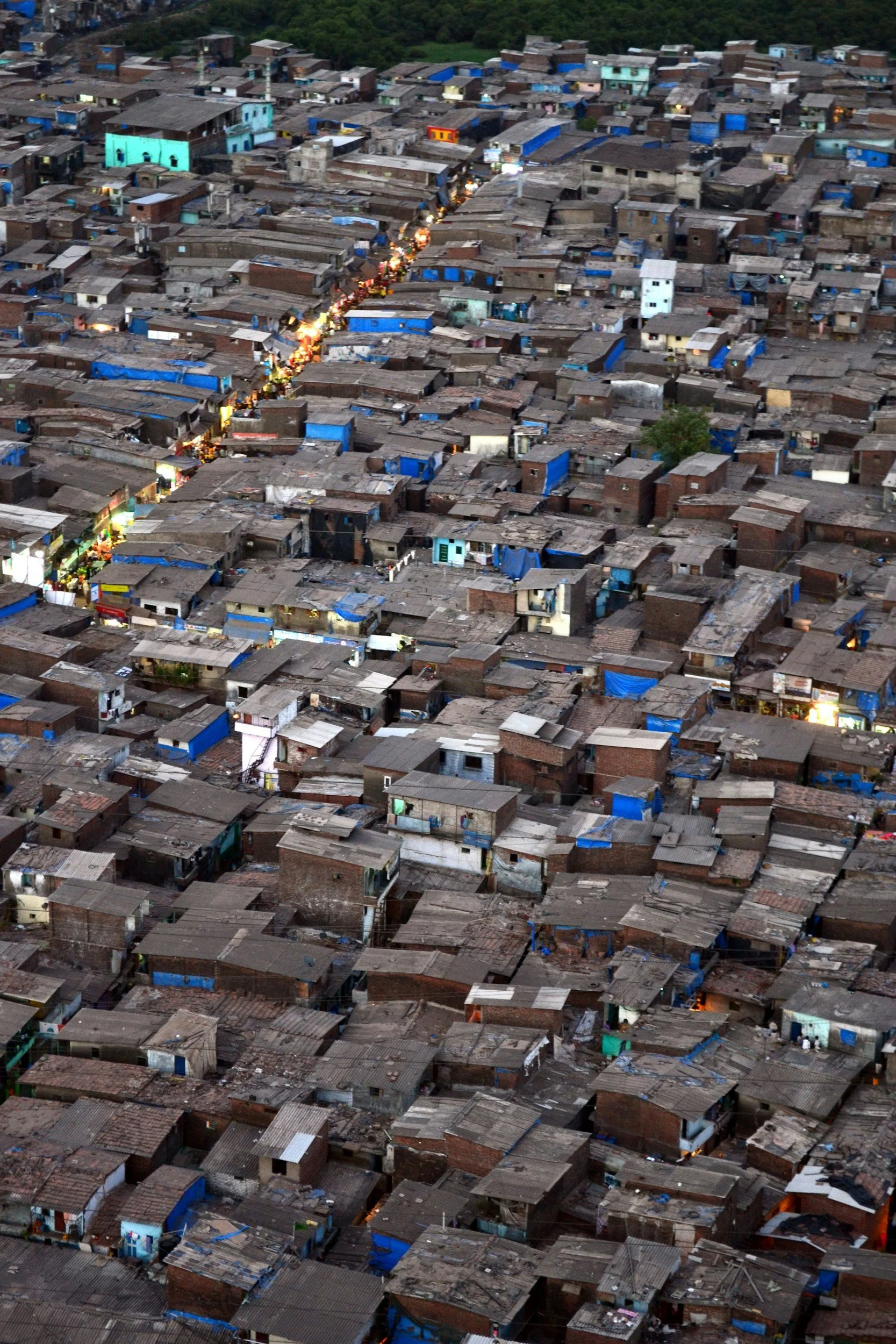
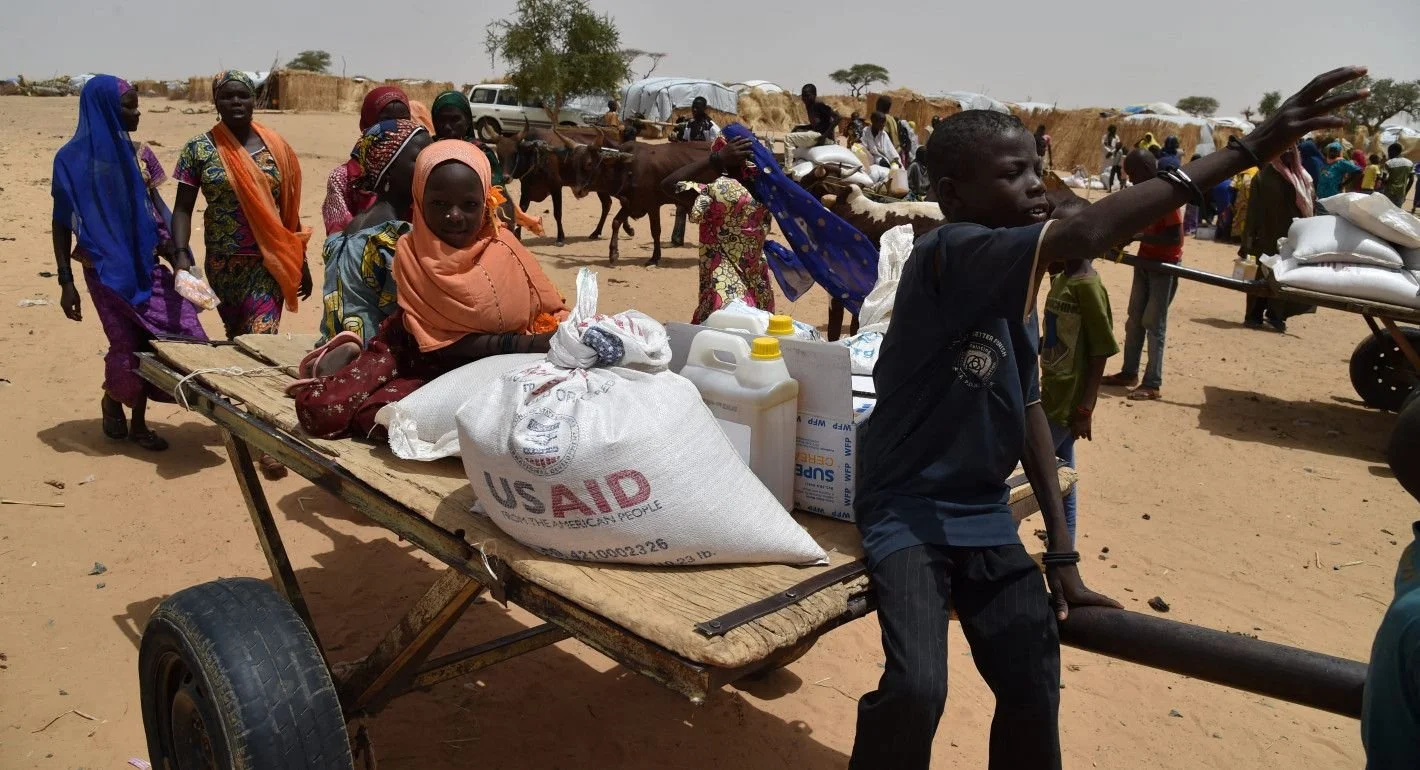
In addition to the current violent crimes Sudanese civilians are facing, cities such as el-Fasher have been under siege for many months, resulting in mass-displacement and famine. Famine has plagued Sudan since the onset of the war, and the instability and lack of access to resources which Sudanese people had to cope with was exacerbated when the US announced drastic cuts to its international aid agency, USAID.

USAID previously provided 44% of funding for Sudan’s humanitarian response in 2024. Following the withdrawal of USAID support, over 80% of Sudanese emergency kitchens were shuttered, and many in dire medical conditions forced to go without lifesaving treatment. The removal of US support for Sudanese people in the most dangerous of humanitarian situations has resulted in great amounts of suffering which could have been prevented, or at least lessened, had the US continued to provide assistance.

This combination of cuts to USAID programs which Sudanese civilians were dependent upon for survival and the trade partnerships the US maintains with the UAE implicate the US in the horrors currently unfolding in Sudan. It is the responsibility of the US government to utilize their significant economic and political leverage among the key players in this conflict to put a stop to the suffering and cruelty facing Sudanese civilians.

Nuclear Fears: The Death of the Joint Comprehensive Plan of Action and the Future of Iranian Nuclear Weapons

By: Emma Kim

In 2015, Iran, the US, and several other world powers entered an agreement known as the Joint Comprehensive Plan of Action (JCPOA). This agreement attempted to restrict the revival of Iran’s nuclear weapons program, which ultimately proved successful, with Iran agreeing to in-depth investigations of their nuclear facilities and a subsequent dismantling of their nuclear program in exchange for billions of dollars in sanctions relief

This agreement remained in effect until 2018, when President Donald Trump withdrew the US from the deal, claiming it was one-sided. Iran initially claimed that they would continue to honor the agreement, but as the Trump administration’s sanctions increased, Tehran began to violate the deal. This started with stockpiling stores of low-enriched uranium at levels above the established limits and escalated to a complete abandonment of uranium enrichment restrictions. 

Iran worked to develop the use of nuclear power with the assistance of the United States Atoms for Peace Program from the 1950s continuing into 1970s, even becoming one of the original 62 signatories of the Treaty on the Non-Proliferation of Nuclear Weapons (NTP), intending to promote the peaceful use of nuclear energy and prevent the spread of nuclear weapons. However, following the Iranian revolution of 1979, nuclear projects were mostly halted, and US support ceased. 

In the late 1980s and early 90s, following a costly war with Iraq, Iran resumed its nuclear program with the help of China, Pakistan, and Russia. However, concerns quickly arose regarding undeclared nuclear facilities in Iran, reinforcing US skepticism that Iran was using its civilian nuclear program to hide its nuclear weapons development. 

Tensions between the US and Iran were high during the early 2000s and escalated further following the US withdrawal from the JCPOA. Longtime US ally Israel published a report in 2018 detailing previous Iranian nuclear activities, which US President Donald Trump cited as justification in the US’s withdrawal from the JCPOA, and no meaningful reconciliation were made during the remainder of Trump's term. 

When Joe Biden was elected president, he began making attempts to salvage the JCPOA. In 2022, Tehran and Washington made significant progress, but Iranian demands for changes to the agreement, coupled with US concerns regarding the suppression of domestic protests in Iran following the death of Mahsa Amini at the hands of Iran’s morality police ultimately led to a collapse in dialogue.

Following the outbreak of war in Ukraine, Iran began supplying Russia with weaponry and has continued to do so into the present day. Exacerbated by growing hostilities between Iran and Israel following the October 7th attack by Hamas on Israel and subsequent Israeli bombardment of the Gaza strip, little to any hope remains of renewal of the JCPOA. 

The death of the JCPOA has become increasingly relevant as Iranian nuclear advancements continue to accelerate. In April of 2024, it was believed that Iran’s “breakout time”—the time required to produce enough weapons-grade uranium for a nuclear bomb was close to zero. Slowing Iran’s equipment to produce nuclear weaponry was one of the JCPOA’s primary goals, explaining the strict caps on the amount of uranium Iran could stockpile that were part of the agreement.

In December of 2024, reports announced that Iran’s enrichment of uranium has reached levels that are near bomb grade, a likely sign that Iran is approaching capability of constructing nuclear weaponry. While the previous reports from April had indicated 60% purity, reports released in December point towards 90% purity, an amount that most believe can have no civilian justification. While Iran insists its nuclear development has been primarily in the pursuit of energy production, these recent developments question the validity of these claimed motives.

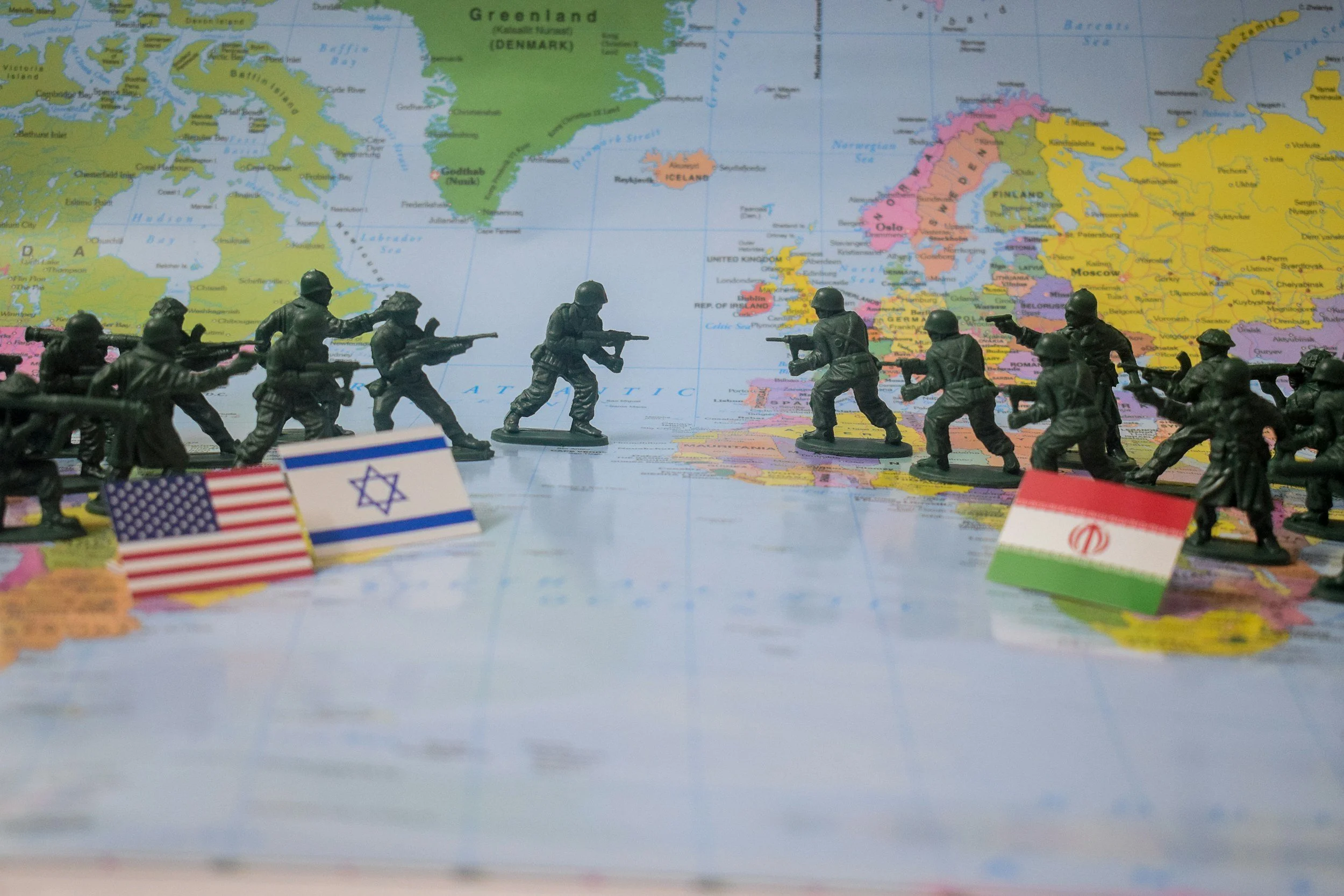
It is unclear what Iran’s purpose in developing nuclear weapons would be. While it is plausible that Iran is shoring up its defenses toward US-Israeli joint opposition following the onset of violence in the Israeli-Palestinian region, it is also possible that Iran intends to create a bargaining chip in the face of Donald Trump’s return to office in the US. As Trump was the one to initially withdraw from the JCPOA, his return to office potentially poses an opportunity for renegotiation, although Trump has pledged that if he were ever to enter an agreement with Iran, it would be far more strict than the one initiated by the Obama administration.

At this time the future of Iranian Nuclear Weaponry is unclear, and heightened tensions in the Middle East between US-backed Israel and Iran-backed Lebanon continue to complicate the path forward. As the US prepares for Donald Trump’s re-entry into the white house and Iran continues to develop its nuclear program, the U.S. and its Western allies must weigh the choice between making concessions to Iran to prevent the spread of nuclear weapons and confronting the potential consequences of refusing to do so.