The Ongoing Persecution of the Uyghurs: China’s False “War on Terror”
By: Nilufer Molla
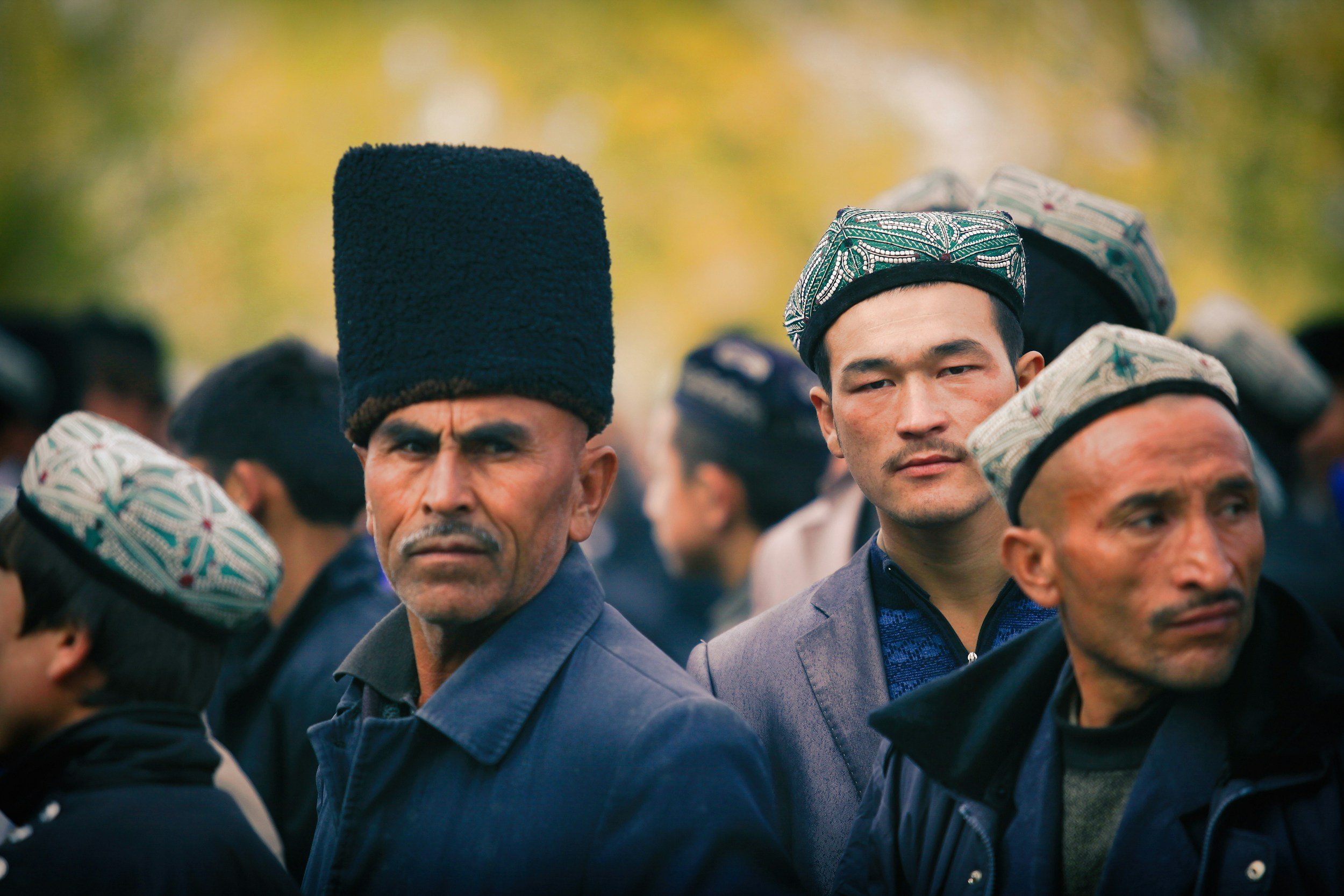
The Uyghurs are a distinct Turkic ethnic group inhabiting the northwest region of China. Officially called the “Xinjiang Uyghur Autonomous Region,” Uyghurs know it as “East Turkestan.”
For two brief periods in the twentieth century, Uyghurs achieved liberation and established an East Turkestan Republic. However, China has continued to seize the land. Ever since, the Uyghurs have struggled for legitimate autonomy and have faced continuous human rights violations and oppression. As the Chinese government restricts Uyghur culture, it simultaneously targets Islam.
Today, this repression is justified under the banner of counterterrorism. What the Chinese government may call a “war on terror” is something else entirely.
The Chinese government claims the repression of Uyghurs is necessary for national security. Still, targeting the religion of the Uyghurs is an attempt at cultural assimilation by detaching them from a key part of their identity.
Islam has shaped Uyghur culture following their collective conversion between the 10th and 15th centuries. It has become deeply integrated into the culture, language, and lifestyle, which is precisely why it is a target.
Since China’s occupation, Uyghurs’ deep connection with Islam has acted as a “shield” in resisting the Chinese government’s attempts at cultural erasure and assimilation. Contrastingly, Hui Muslims, China’s largest ethnoreligious group, have enjoyed religious freedom. The Hui possess a blend of Islamic and Chinese cultures. Since they are better integrated into Chinese society due to cultural similarity, their religious practices are tolerated, proving China’s unique targeting of Uyghur Muslims due to their resistance to cultural assimilation.
Now, over a million Uyghurs have been imprisoned in internment camps, of which the Chinese government first denied the existence. When finally addressed in 2018, they were branded as “reeducation” centers meant to teach Mandarin and prevent the influence of extremism. Though there have been a variety of reasons to place Uyghurs in these camps, it appears their only crime is being Muslim.
Leaked documents reveal the listed reasons for detention to include growing a beard, praying regularly, and wearing a veil. Furthermore, in 2019, the U.S. embassy and consulates in Japan reported that Chinese authorities forced Uyghur Muslims to eat pork. If refused, they were vaguely labeled as “extremists” or threatened with being sent to the internment camps. As terrorism involves religiously motivated violence, it is clear that the grounds for accusing these Uyghurs of terrorism are completely illogical due to the irrelevance of peaceful expression to religious extremism and violent terrorism.
Especially during Ramadan, Uyghurs are at a greater risk. Ramadan is a sacred month in the Islamic calendar during which Muslims fast and focus on deepening their spiritual devotion. For roughly a month, Muslims wake up for a small meal called “Suhoor” or “Sehri” before the first prayer to prepare for their day’s fast.
For Uyghur Muslims in China, just turning on the living room light to do so poses a great risk.
They often resort to pre-preparing their meals and eating in the dark to avoid detection and risk being sent to the camps or abused. In Islam, eating in the bathroom is strongly discouraged; however, for some, it is the only room in the house without windows, so the light can be left on while they eat. Because if light could be seen from the home, it was enough reason to believe they were fasting Muslims.
A 2016 interview conveyed the horrors of being caught. Adil Abdulghufur recalls “one disaster” that happened to him. Chinese authorities violently dragged him from his bed while he was asleep. Covered in blood, he continuously asked what he had done. They said, “You screamed ‘Allahu Akbar.’” He pleaded that he was not praying, but, unconvinced, they beat him, chained him, and hung a “25-kilogram cement board around his neck,” with the words “For stubborn prisoners who refuse to bow to Chinese rule” carved on it.
Unique to these “prisoners,” questions would be administered to “test” them, such as:
“Were the heavens and the earth created by God or by nature?”
“Is East Turkistan part of China, or is it a separate country?”
“Will you pray in the future?”
“What kind of person is Osama Bin Laden?”
“If Chinese and Uyghurs live together, will society flourish?”
Required to answer only with “yes” or “no” (and there is a “correct” answer for each question), Uyghurs will be categorized into groups based on “compliance,” which would determine their fate.
Especially after September 11, 2001, governments all over the world expanded surveillance to combat terrorism. China seized this moment. By framing the Uyghur identity as a security threat, the Chinese government found an international cover for policies that would otherwise be viewed for what they really are: cultural erasure and assimilation.
As China targets Uyghurs while tolerating Hui Muslims’ religious expression, it’s clear that the so-called “war on terror” is actually a war on Uyghur identity.
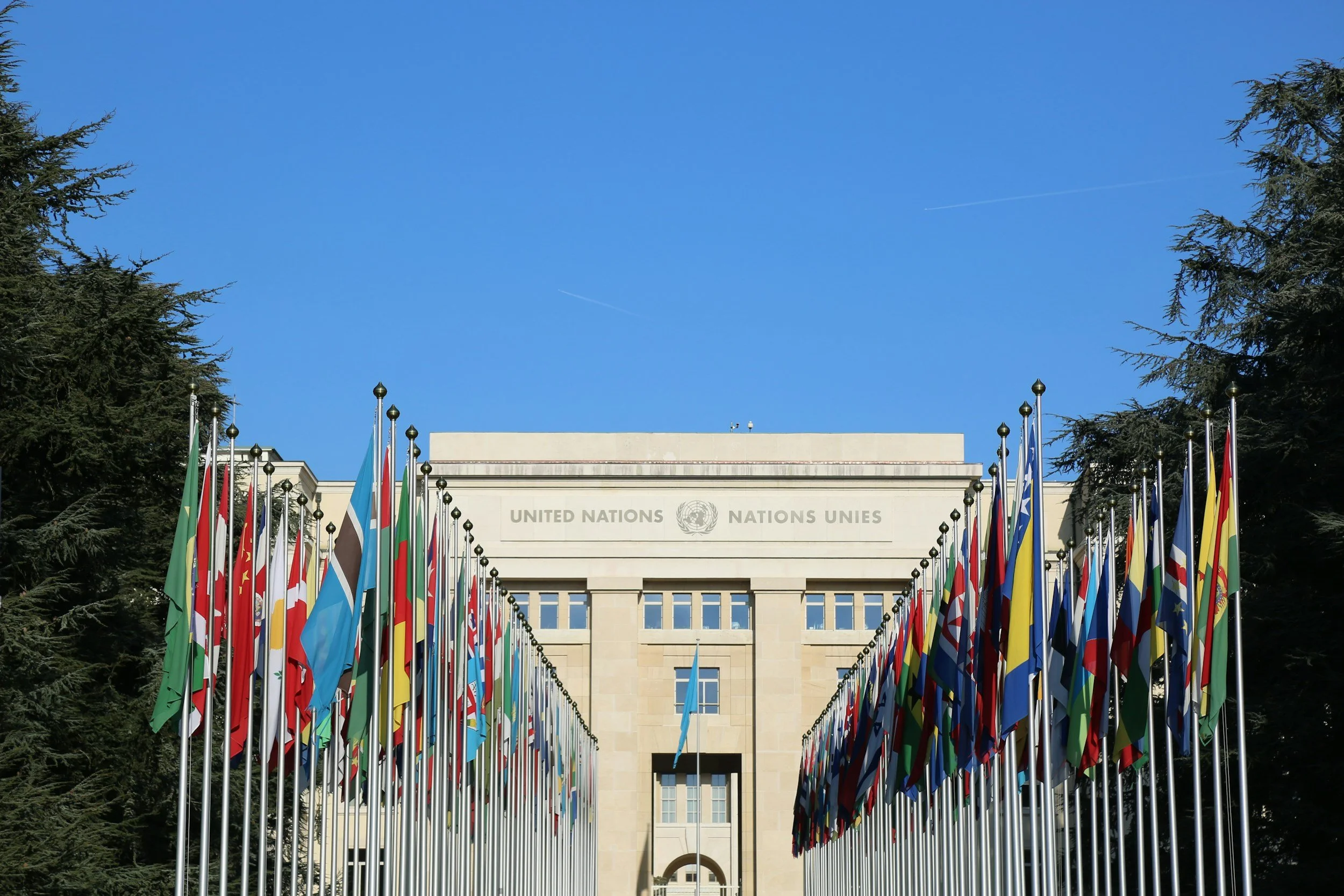
International Law and Accountability: The Case of the Israel-Palestine Conflict
By: Nilufer Molla
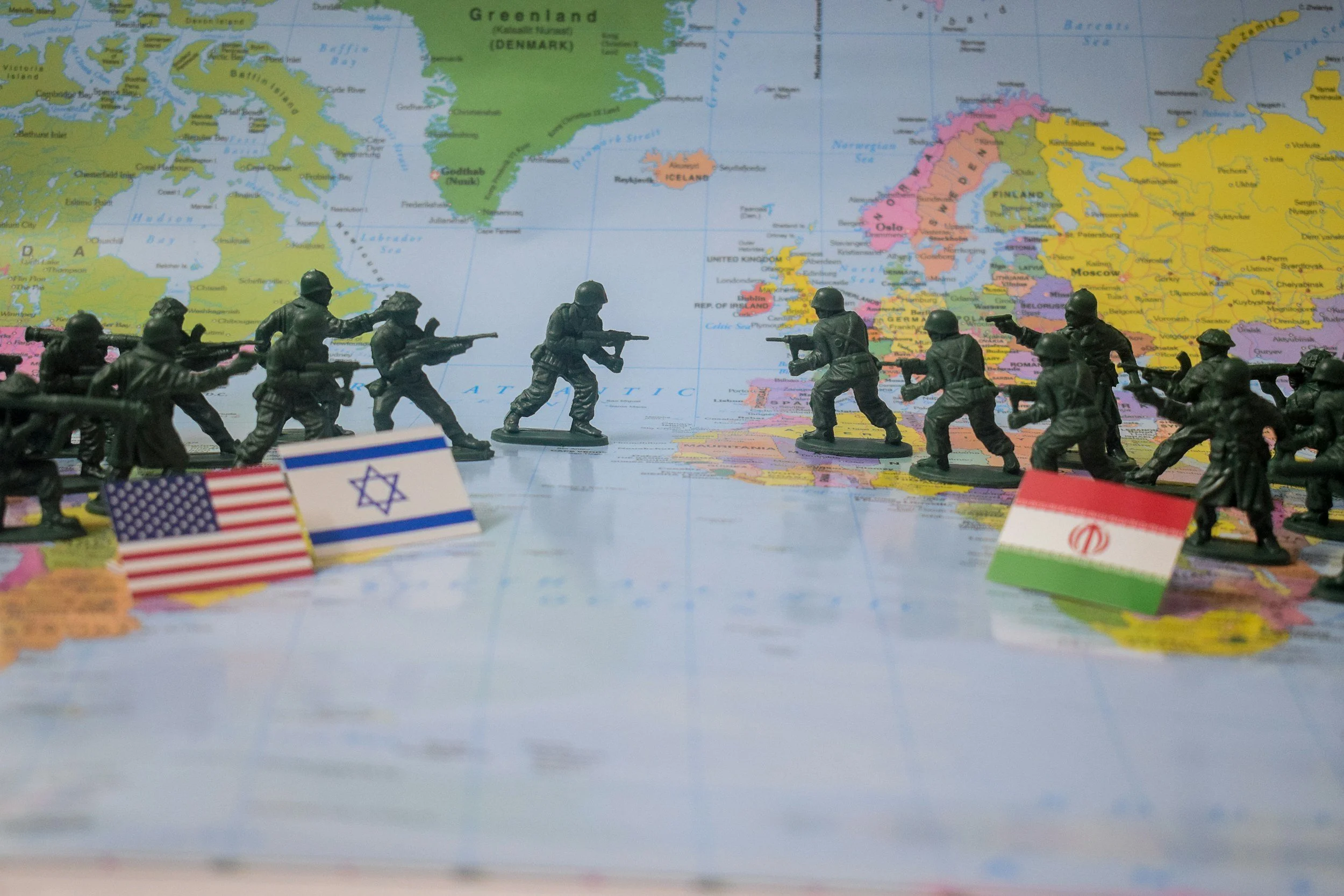
The purpose of international law is to establish the responsibilities of each state in relation to its conduct toward other countries and its treatment of national and international citizens. The current Israel-Palestine conflict demonstrates the consequences when legal obligations are outlined on paper, but have no real power from major international bodies to enforce or support them.
The 2023 hostilities started when Hamas launched an attack on Israeli settlements, taking 254 hostages and prompting the Israeli Defense Forces (IDF) to take retaliatory action. Since October 7th, 2023, Israel has made continuous efforts to target Hamas; however, the victims have primarily been the civilian population of Palestine, with no assurance of justice or security. What followed has been a conflict that has further escalated into the systematic erasure of the Palestinian people.
Forced displacement, starvation, and bombings that amount to war crimes, crimes against humanity, and, according to legal scholars, genocide, must be addressed. However, we see little to no action taken to hold the perpetrators accountable for such violations. In fact, ceasefire agreements and other international laws continue to be broken by both nations, with one causing more humanitarian damage than the other. For example, after establishing a ceasefire in mid-January 2025, Israel launched surprise attacks in Gaza in March, violating yet another ceasefire agreement. The attacks killed and injured over 1000 civilians, demonstrating the fragility of these agreements when little enforcement exists.
Article 50 of the Fourth Geneva Convention prohibits not only the denial of humanitarian aid, but also the obstruction of its passage. Article 54 of Additional Protocol 1 prohibits starvation as a weapon of war.
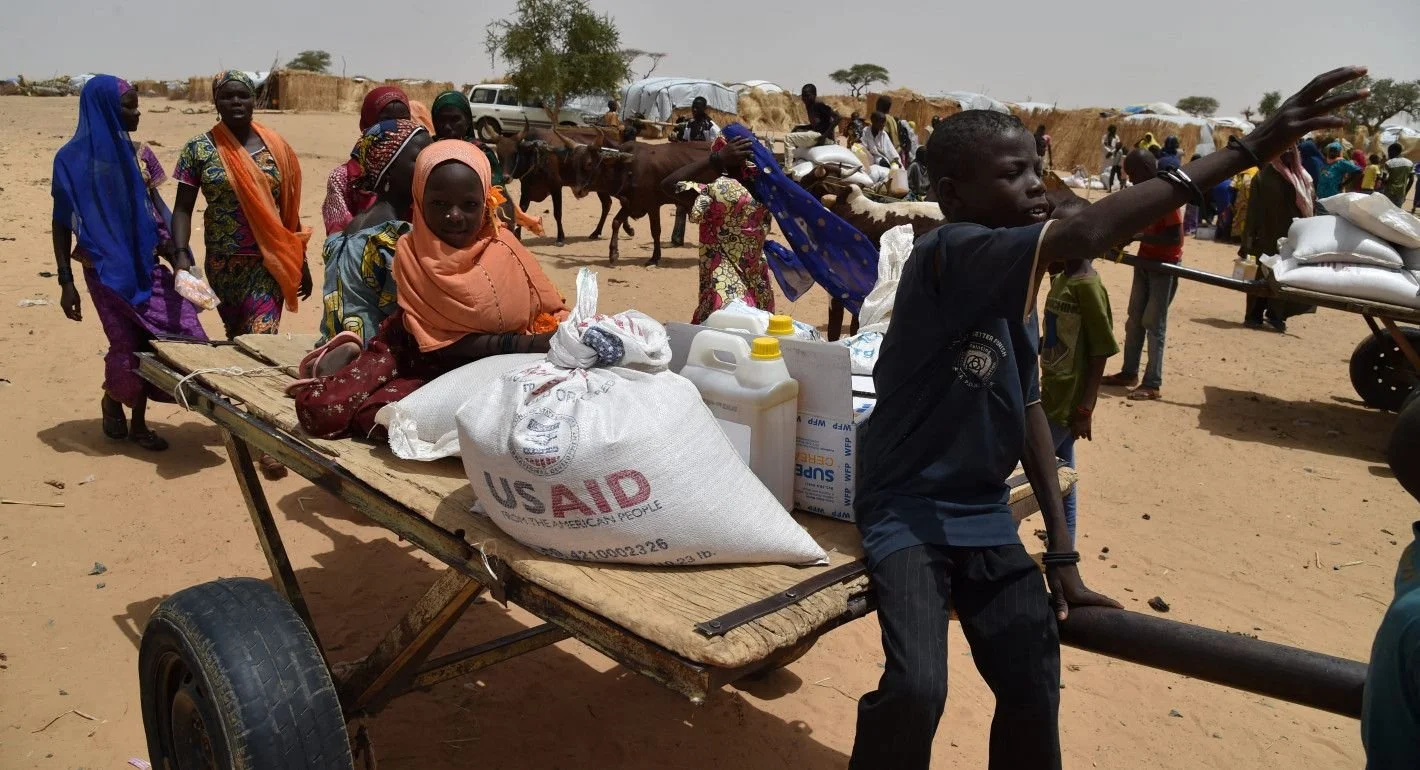
However, since May 2024, the UN World Food Programme has reported that roughly 85% of aid convoys to Gaza have been intercepted or blocked by Israeli authorities. And, famine has been confirmed. Ross Smith, the WFP’s Director of Emergencies, described the situation as “clearly a disaster unfolding in front of our eyes, in front of our television screen.” Including numerous other violations, the resulting damage includes but is not limited to the destruction of hospitals, irrevocable malnutrition, long-term famine, and loss of innocent life.
Present international law violations are not an aberration. The Israel-Palestine conflict stretches back generations before October 2023, and ceasefire violations date as early as 1949. Specifically, since its creation, there has been a visible pattern of Israel breaking ceasefire agreements and truces with other countries. Immediately after the Israeli state was created in 1948, it violated the Armistice Agreement by attacking demilitarized zones, resulting in the deaths of numerous Palestinian civilians. Though it must be considered that these actions may have been preemptive in anticipation of an attack, the broader argument is that the absence of enforcement and action towards accountability leads to cyclical violations and violence.
The absence of international humanitarian law is not the main issue; instead, the persisting failure to enforce it is. This pattern of continuous violations is not unique to the Israel-Palestine conflict. The United Nations (UN) often limits itself to condemnation while violence escalates on the ground. Other countries, in the past and present, have also experienced human rights violations without the United Nations’ intervention.
When addressing several present and past Israel-Palestine human rights violations, the United Nations has appeared to only produce reports and non-legally-binding resolutions while urging that Israel’s “military operations must be conducted in strict accordance with international humanitarian law.” While condemnation is a positive step, addresses are not sufficient, especially within such a major international body.
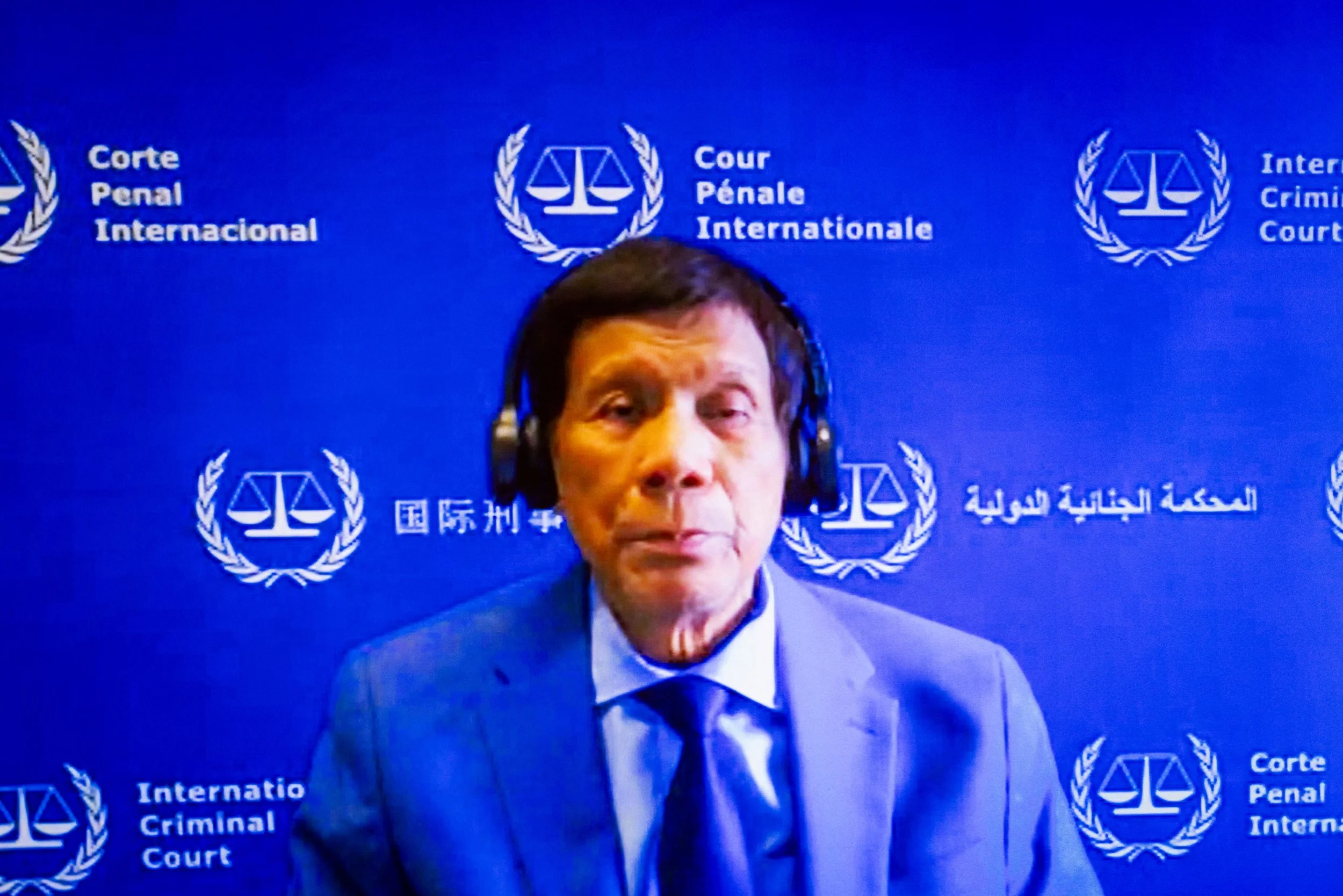
The International Criminal Court (ICC) had finally issued arrest warrants for Israeli Prime Minister Benjamin Netanyahu and the former defense minister in November 2024, after about a decade since the start of the investigation. The warrant was issued over war crimes and crimes against humanity in Gaza; however, no further action has been taken by the ICC. ICC member states are now obligated to arrest those charged when they are in their territory. UN powers appear to be limited, but a modern and more active stance must be taken while lives are at risk.
Since the creation of the UN, the question of Palestine has always existed. The main aspect of the UN offers a forum for discussion on conflict prevention. But even these efforts have experienced continuous pushback from Israel with United States support. While global leaders wait to come to a consensus, thousands of lives have already been lost in the process.
This conflict makes one thing clear: if a country can violate international law, even striking UN agencies themselves, with no consequence, the entire system meant to promote and preserve global peace and security becomes, to an extent, meaningless.