
Artificial Intelligence Is the 21st Century’s Nuclear Weapon
American companies have spent $335 billion and counting on artificial intelligence (AI) between the years 2013 and 2023, and today, 79% of Americans interact with AI several times a day. What began as a niche technological field has quickly become embedded in finance, healthcare, education, defense, and even personal decision-making. As governments and corporations race to dominate this emerging technology, the pace of development far outstrips that of regulation.
AI is as dangerous and as strategically transformative as nuclear weapons were in the 20th century, and it must be governed with the same urgency and international cooperation before competition turns into catastrophe.
In the 20th century, nuclear weapons transformed international politics almost overnight. They redefined how we fought wars, and consequently, who held hegemony. But nuclear technology also forced the world to confront a terrifying reality: innovation without restraint could mean total destruction.
The atomic bomb dropped on Hiroshima in 1945 killed an estimated 100,000 people. Modern tactical nuclear weapons are far more powerful, and at the height of the Cold War, the global arsenal grew large enough to destroy human civilization many times over. It took regulations such as the 1968 Nuclear Non-Proliferation Treaty, the International Atomic Energy Agency, and Cold War arms-reduction agreements like SALT and START, to stabilize the system.
Today, artificial intelligence is advancing even faster — and with far fewer guardrails.
Unlike nuclear weapons, AI does not require rare uranium or massive reactors. However, it requires data, computing power, and engineering talent. That makes it easier to develop and more difficult to contain. Yet its strategic impact may be just as profound. AI can enhance cyberwarfare, power autonomous weapons systems, manipulate financial markets, disrupt infrastructure, and more. The state that leads in AI will not just have faster software, but it will have a structural advantage in economic productivity, military capability, and information control.
And countries know it.
The United States and China are locked in a race for AI dominance. Washington frames AI leadership as critical to national security and economic competitiveness. Although the United States still maintains a far larger nuclear arsenal with 5,277 warheads compared to China’s 600 warheads, today's balance of power may not be determined by stockpile size alone.
Beijing has openly declared its ambition to become the world leader in AI, embedding AI development into its long-term industrial planning and military modernization strategy. In some areas, particularly the integration of AI into surveillance systems and military deployments, China may be moving faster and with greater coordination than Western approaches.
The European Union, meanwhile, is racing to shape regulatory standards that could define global norms. Through its landmark AI Act, the EU has moved to classify AI systems by risk level, impose strict transparency requirements on high-risk applications, and ban certain uses such as social scoring and some forms of biometric surveillance. By prioritizing safety and human oversight, the EU is attempting to export its regulatory model beyond Europe’s borders. If successful, the EU could set the rules of the road for AI governance worldwide, not by dominating innovation, but by defining the standards companies must meet to access one of the world’s largest markets.
This competition resembles the early years of the arms race, but with one critical difference: AI development is primarily driven by private companies operating across borders. Governments are competing not only with rivals abroad but also, motivated by President Trump’s AI challenge, racing to outpace domestic innovation.
That dynamic creates a dangerous incentive structure. When speed becomes the priority, safety becomes secondary. The result is an emerging AI arms race without clear rules or shared red lines.
The risks are not hypothetical. Autonomous weapons systems could make battlefield decisions faster than human oversight allows. AI-generated misinformation could undermine public trust in democratic institutions. Advanced cyber capabilities could cripple infrastructure without a single missile being launched. And as AI systems grow more complex, even their creators may struggle to predict their behavior.
Nuclear weapons taught the world a painful lesson: revolutionary technologies cannot be managed through optimism alone. Governance must evolve alongside capability.
AI requires a similar mindset. It means establishing guardrails before chaos forces them upon us. Nations should cooperate to limit fully autonomous lethal weapons, prevent AI from controlling nuclear launch systems, and establish monitoring mechanisms for the most advanced AI models. Export controls on advanced semiconductor chips are already a step toward recognizing AI’s strategic importance, but they are only the beginning.
Some argue that AI is too embedded in civilian life and too rapidly evolving to be regulated like nuclear weapons. They are right that AI is different. But that makes regulation more urgent. And we must treat it as such, before competition becomes a catastrophe.

The Innate Politicism of the Olympics
By: Aliza Susatijo
With winter storms keeping people indoors, the 2026 Milan Cortina Winter Olympics have taken center stage this season. Dazzled by intricate figure skating routines and the dizzying speed of downhill alpine skiing, it is easy to get absorbed in the thrill of the games.
Yet the Olympics also represent a global effort for each country to put forth its best athletes, participating in a tradition that unites countries in a celebration of human accomplishment. As athletes compete for their countries, it has become a debate as to whether this representation causes athletes to become associated with their respective country’s politics. Is it possible to maintain the Olympics as purely an apolitical commemoration of worldwide sports, or is it irresponsible to ignore pressing political issues while the Olympics unfold?
In 2022, Russia and Belarus were banned from participating in the Beijing Paralympic Winter Games after Russia invaded Ukraine and Belarus supported Moscow.
This decision came after multiple countries and numerous athletes threatened to boycott the games out of fear for their safety in the Olympic Village. This ban has been ongoing, with select Russian and Belarusian athletes eligible to compete as Individual Neutral Athletes (AINs) under a neutral state, unassociated with their home countries. While this compromise has lasted throughout the 2024 Paris Summer Olympics and this year’s Winter Olympics, there remains a thinly veiled tension.
Ukrainian skeleton racer Vladyslav Heraskevych was disqualified by the International Olympic Committee (IOC) for wearing a helmet emblazoned with the images of his fellow Ukrainian athletes killed in Russia’s invasion. The helmet was considered inconsistent with the Olympic Charter and Guidelines on Athlete Expression because of its active presence in the game, which violates the Charter’s policies on political expression, as it could interfere with play.
Yet Heraskevych’s helmet was not an inflammatory political statement. Rather, it was a commemoration of the athletes who should have been alongside him at the Olympics that day.
Unique to this season’s Olympics, it has been reported that U.S. Immigration and Customs Enforcement agents were deployed by the U.S. government to Milan during the games, spurring a variety of responses. The IOC called their presence “distracting,” and hundreds of Italian demonstrators protested in Milan with signs that say “ICE out of Milan” or “ICE Out Of Everywhere.”
U.S. athletes, such as freestyle skier Hunter Hess, have been asked about ICE’s actions and the division of communities in the United States. Hess expressed his reluctance to represent all aspects of the United States, stating that “Just ’cause I’m wearing the flag doesn’t mean I represent everything that’s going on in the US.” After this statement, President Trump took to Truth Social to condemn Hess, calling him a “real Loser” for speaking against America.
In moments such as this, athletes face a predicament as they aim to differentiate representing their country in the sport they love from supporting all the policies and mandates of their country.
With the audience and influence that the Olympics hold, it is difficult for the IOC to toe the line between allowing freedom of expression for its athletes and avoiding political statements that distract from the games themselves. Athletes must contend with representing their country and expressing their own opinions as individuals. While competing on a world stage and being broadcast internationally, it is understandable that athletes may make a political statement, whether that is in defense of or against their country.
With clear regulations on hate speech or statements that may endanger athletes within the Olympic Village, athletes should be able to safely voice their beliefs without fear of retribution from the IOC or their home country.
From Heraskevych to Hess, athletes work their entire lives to reach this world stage. Just as they compete as representatives of their country, they should also be able to represent the ideals and sentiments that they believe in.
Partnership Should Be Central to America’s Critical Minerals Strategy
By: Céleste Wetmore
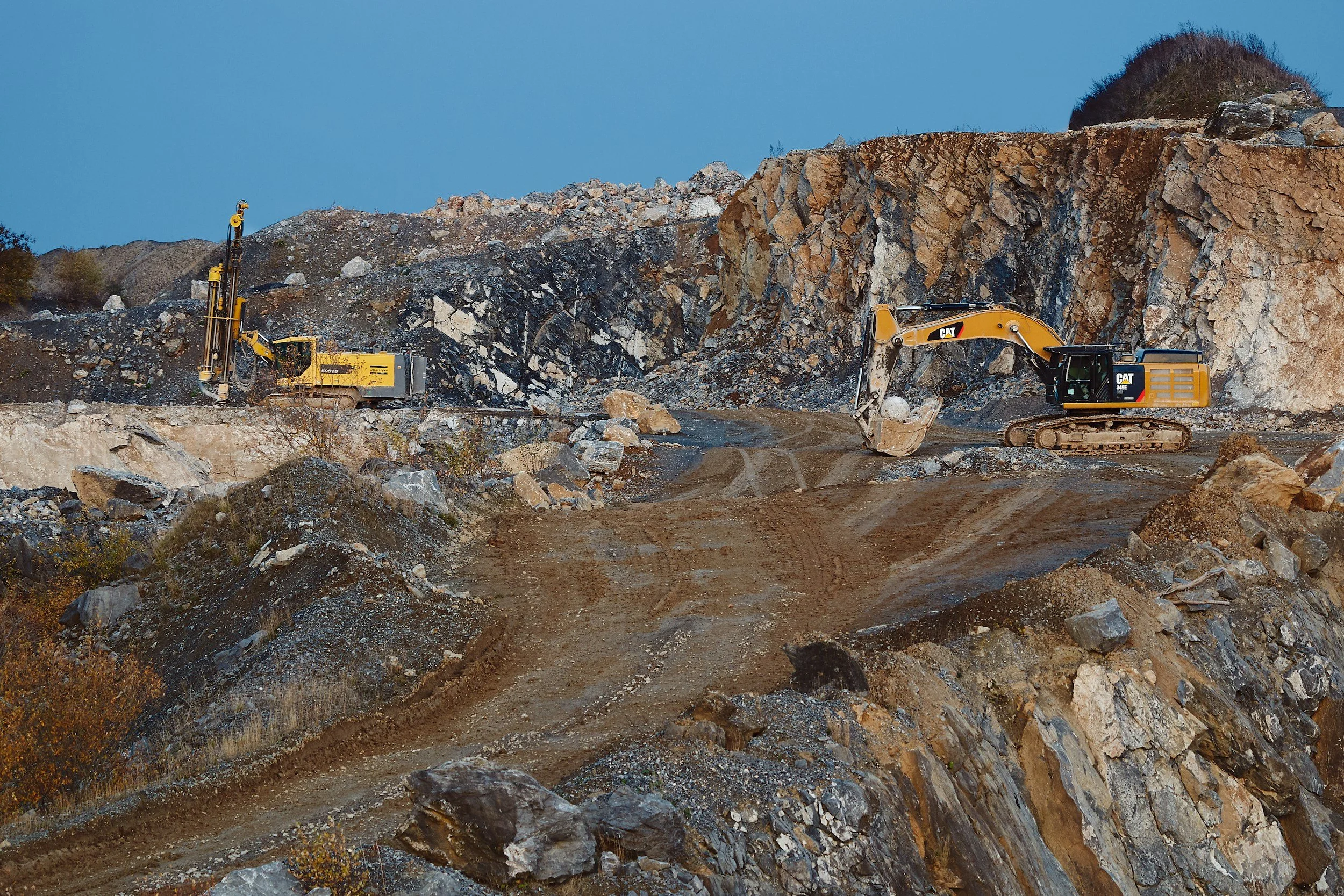
The Chinese manufacture more than clothing, iPhones, and other consumer goods. Their current near-monopoly over rare earth element (REE) mining and, most critically, production is keeping them in the limelight as the 2030s approach. Given the importance of REEs in military equipment and relevant capabilities, the United States aims to reduce reliance on exports from China. However, given the difficult nature of REE location, mining, and production, these endeavors’ results will be suboptimal if attempted alone. The U.S. must exercise more strategic diplomacy to build a sustainable supply chain outside of China’s mineral processing monopoly.
While REEs themselves are not rare, they are rarely found in sufficient abundance in a single location for their mining to be economically viable. Even then, concentrated mineral deposits often occur in remote, isolated locations with sparse availability near the surface and radioactive elements mixed in, making them expensive to locate and extract. REEs include 17 metallic elements crucial to technological efficiency across sectors, and nearly 70% of actively mined rare earth minerals are found in the Bayan Obo mine in central China. The second, third, and fourth largest actively mined deposits are found in the U.S., Burma, and Australia, respectively, but these efforts added up to just 23% of global production in 2024.

Graph sourced from the Government of Canada
The clear imbalance of these numbers is formidable, but considering that extraction has steadily increased outside China since 2017, the most urgent issue at hand is REE refinement. Any successful mining effort is useless without the capabilities to process and utilize REEs to produce electronics and other pressing goods. This refinement process is China’s specialty: Beijing currently controls 90% of refined production, a complex process that requires specialized knowledge and machinery.
Modern day innovation, business, and life are centered around the electronics, machines, and renewable energy made possible by REEs. They are the backbone of U.S. military technology and defense systems. To put it in perspective: a single F-35 fighter jet calls for over 900 pounds of REEs. Looking to the future, the U.S. will not be able to remain the strongest military in the world without REEs, necessitating a reliable supply chain.
The current REE supply chain is fundamentally dependent upon Chinese refinement capabilities, creating a dangerous bottleneck for the U.S. and partners, including key North Atlantic Treaty Organization (NATO) allies. China has been developing technical know-how, processing procedures, and manufacturing facilities since the 1980s. Driven by fierce domestic competition and enabled by loose environmental regulations and low labor costs, Chinese companies have accelerated extraction and production timelines and achieved an absolute advantage in REE processing.

Graph sourced from Statista 2026
As can be reasonably expected from any powerful state when in possession of such significant leverage, the Chinese government has proven willingness to levy these coveted production capabilities to build its relative advantage. In 2023, China imposed a ban on the export of technologies used for rare earth separation and processing, obstructing the development of such capabilities outside its borders.
Western companies have struggled to roll out these advanced technical operations alongside pollution concerns, and it can take years to construct and fully operationalize separation, processing, and manufacturing facilities. Considering China’s natural resource endowment coupled with their unprecedented economic growth over the last few decades, no one country will be able to match China’s dominance in the global supply chain for REEs — at least, not quickly.
In the long-term, the U.S. should strive to develop an REE supply chain as independent as possible, and the U.S. is working toward this end. However, it would be dangerous to accept reliance on China during an intermediary development period that could last years — as it did in China. Dependence on an ally yields a dependency, possible to overcome eventually, but a dependency on China creates a proven vulnerability. The U.S. must lead collaboration to develop a strong, sustainable REE supply chain outside of China.
The 2025 U.S.-Australia critical minerals partnership established a bilateral commitment between the countries to invest more than $3 billion into critical minerals projects, including an advanced refinery in Western Australia. This strategic step must set a precedent for U.S. policymakers in taking action to build the mining and production capabilities needed to reduce dependence on China. While China controls the world’s largest REE reserves, with 44 million metric tons, Brazil, India, and Australia hold nearly 35 metric tons combined and are all working to develop refinement capabilities. This simple math demonstrates the potential of a partnership and the necessity of pooled resources and investment to even approach China’s place at the top of the critical minerals food chain.
REE mining and production present several obstacles, hence the need to join multiple countries’ specialities and strengths. Collaboration ensures mutual security that will strengthen the U.S. and its historic defense and commercial partners, including those in NATO, the United Nations, and Major Non-NATO Allies. Partnerships will be crucial to establishing a reliable REE supply chain and processing capabilities in the short-term as America seeks self-sufficiency in the long-term.
Complicit in War Crimes: The US Response to the War in Sudan
By: Emma Kim
The US is complicit in the suffering currently taking place in Sudan.
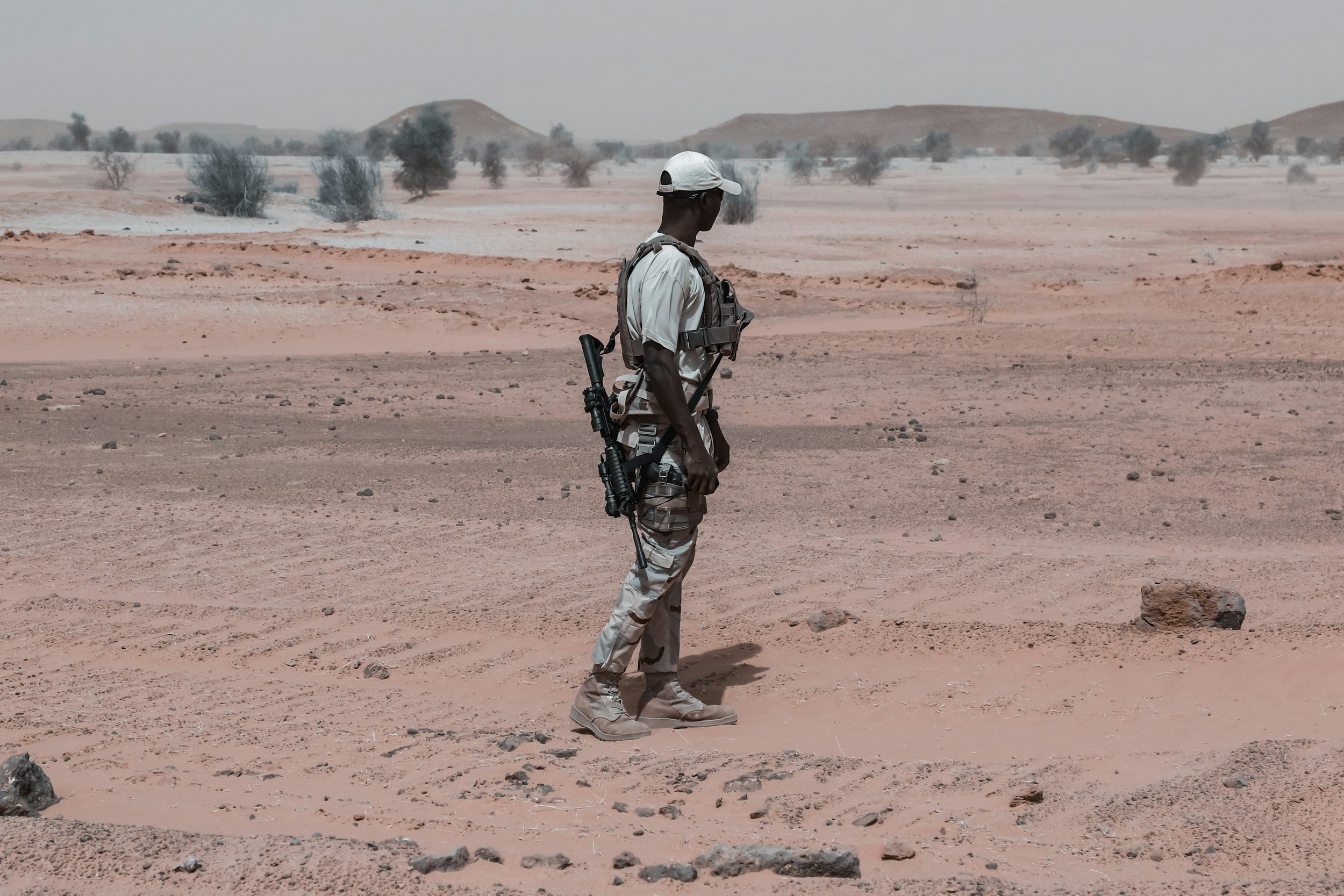
Since April of 2023, Sudan has been engulfed in a brutal civil war between the Sudanese Armed Forces (SAF) and the paramilitary group known as the Rapid Support Forces (RSF). Reports of mass violence and genocide have long been present in the conversation surrounding this conflict, and the RSF’s recent overtaking of Darfur’s only remaining city center, el-Fasher, is no exception.
United Nations officials have been investigating claims of war crimes and genocide in Sudan since the onset of the war, repeatedly warning of escalating atrocities against civilians. Reports are circulating of rapes, mass killings, and attempts by the RSF to conceal these crimes following their hostile takeover of el-Fasher. However, a deep history of similar crimes is embedded throughout this conflict.
While both forces involved in this war have been accused of war crimes and human rights violations, the most recent violence taking place in el-Fasher is being perpetrated by the RSF. Multiple investigations have signaled that the RSF has been receiving covert financial support from the United Arab Emirates (UAE). While the UAE has repeatedly denied its involvement, evidence against them is mounting, and many Western powers are growing suspicious.
The US is a long-time trading partner of the UAE. The US recently invested $200 billion in this relationship in sectors including technology, aerospace, and oil. The US has a long history of supplying the UAE with weaponry, including fighter jets and helicopters, both prior to and during the current civil war.
After US intelligence confirmed that the UAE had been supplying the RSF with Chinese-made weaponry including drones, many in the US government questioned whether the US should lessen its economic involvement with the UAE and its export of weaponry to the Gulf state. Despite mounting evidence of the RSF’s cruelty in Darfur, US engagement with the UAE has not stopped.
By refusing to put pressure on the UAE to halt its support of the RSF, the US has failed the Sudanese people. Reports of war crimes and other atrocities in the region are not new, with involvement from the RSF and other groups. International organizations such as the UN are calling for intervention from nations party to this war. While the RSF has agreed to a temporary humanitarian ceasefire, this conflict should never have been allowed to reach the point it has now.
In addition to the current violent crimes Sudanese civilians are facing, cities such as el-Fasher have been under siege for many months, resulting in mass-displacement and famine. Famine has plagued Sudan since the onset of the war, and the instability and lack of access to resources which Sudanese people had to cope with was exacerbated when the US announced drastic cuts to its international aid agency, USAID.
USAID previously provided 44% of funding for Sudan’s humanitarian response in 2024. Following the withdrawal of USAID support, over 80% of Sudanese emergency kitchens were shuttered, and many in dire medical conditions forced to go without lifesaving treatment. The removal of US support for Sudanese people in the most dangerous of humanitarian situations has resulted in great amounts of suffering which could have been prevented, or at least lessened, had the US continued to provide assistance.
This combination of cuts to USAID programs which Sudanese civilians were dependent upon for survival and the trade partnerships the US maintains with the UAE implicate the US in the horrors currently unfolding in Sudan. It is the responsibility of the US government to utilize their significant economic and political leverage among the key players in this conflict to put a stop to the suffering and cruelty facing Sudanese civilians.
America’s Foreign Aid to Other Countries Benefits Us
During the time that President Trump has been in office for his second presidential term, his administration has paused all U.S. foreign aid, resulting in a multi-billion-dollar cut to U.S. assistance overseas. The administration has dedicated itself to “maximiz[ing] governmental efficiency and productivity,” cutting spending that it feels is unnecessary via the Department of Government Efficiency (DOGE).
This is a shortsighted decision.
America’s foreign aid greatly benefits other nations, as well as the American economy, security, and health. Cutting foreign aid is a mistake that harms national interests – something that all Americans should be concerned with, regardless of political affiliations.
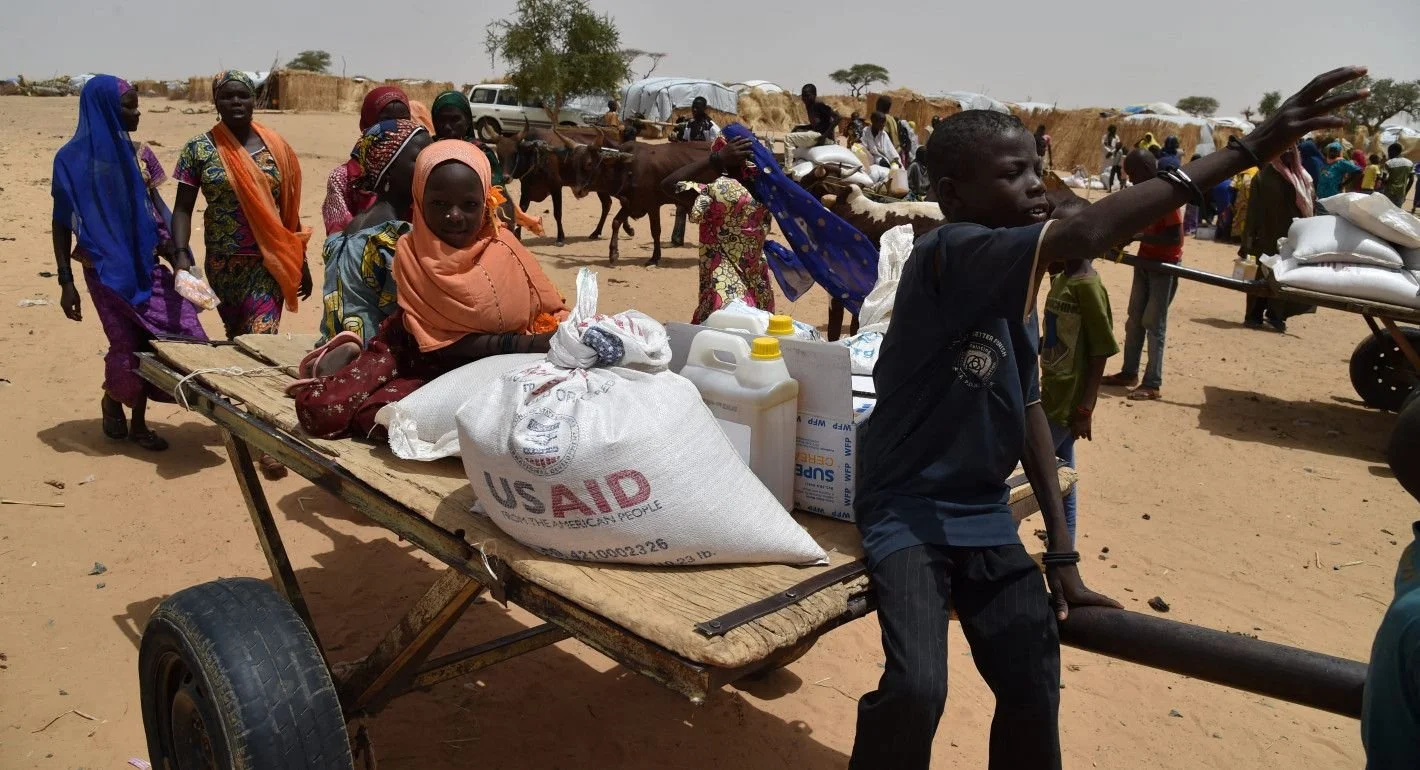
Over the course of the 2023 fiscal year, the United States government spent 71.9 billion dollars on foreign aid, a little over 1% of the year’s total government spending. There are multiple agencies through which the United States dispenses funds, most notably the United States Agency for International Development (USAID) and the State Department. Since USAID’s establishment under the Kennedy administration, it has provided emergency food assistance, facilitated transitions to democracy, and helped with economic aid and stabilization in numerous countries. These causes have helped the United States economically, both directly and indirectly.
American foreign aid creates trade relationships that help grow the American economy. Over 95% of the world’s population lives outside the United States, meaning that 3 trillion dollars of U.S. GDP comes largely from American businesses selling to customers abroad. Reaching this large of a customer base requires strong relationships with other nations—relationships predicated on mutual understanding and cooperation, of which foreign aid is a big part. In fact, the vast majority of our country’s top trading partners are nations to which the United States has provided foreign aid.
To stop fostering existing economic relationships and prevent the formation of potential new ones through distribution of foreign aid would devastate the economy.
Additionally, cutting foreign aid allows our enemies to strengthen their relationships with other countries and gain the economic benefits that foreign aid once gave the United States. The US is the largest provider of foreign assistance, and stepping down from that role allows a competing hegemon such as China to fulfill that position and reap the economic and diplomatic benefits we once did.
Currently, American foreign aid has a better reputation with recipient nations than Chinese and Russian foreign aid–this has happened over time due to the transparency of American aid. Thus, continuing to provide foreign assistance is an effective way for the US to maintain its image as more trustworthy than its enemies, a valuable asset in the global fight for power.
Furthermore, the American economy is heavily reliant on foreign trade. Millions of American jobs are involved. The President’s move to remove ourselves from the international practice of providing foreign aid poses a significant risk to these millions of Americans.
The relationships that foreign aid creates are also valuable beyond the economic sphere. Countries like China and Russia are not democracies. American foreign aid has helped with the democratization of the world, with practices such as fair judicial processes and media independence making other countries less vulnerable to foreign interference. This creates a safer world, as democracies are far less likely to engage in conflict with one another, and therefore more reliable allies for the United States in the fight against authoritarian regimes.
Foreign aid also contributes to disease eradication. Foreign aid has played a significant role in reducing the presence and spread of diseases such as HIV and tuberculosis through programs like the President's Emergency Plan for AIDS Relief (PEPFAR) and USAID. Spending money on foreign aid to combat diseases helps ensure they won’t reach American shores. To stop funding these efforts is to put millions of people who rely on US foreign aid for anti-viral treatment, vaccines, and other preventative measures at risk, as well as millions more due to the invigorated spread of disease.
Therefore, rather than cutting foreign aid, President Trump should be utilizing it to increase our global competitiveness and protect American citizens and interests. Investing in foreign aid provides numerous benefits to the United States, and cutting it is a harmful mistake.
Reassessing Strategies for Foreign Aid, Lessons from Lesotho
By: Aidan Stern
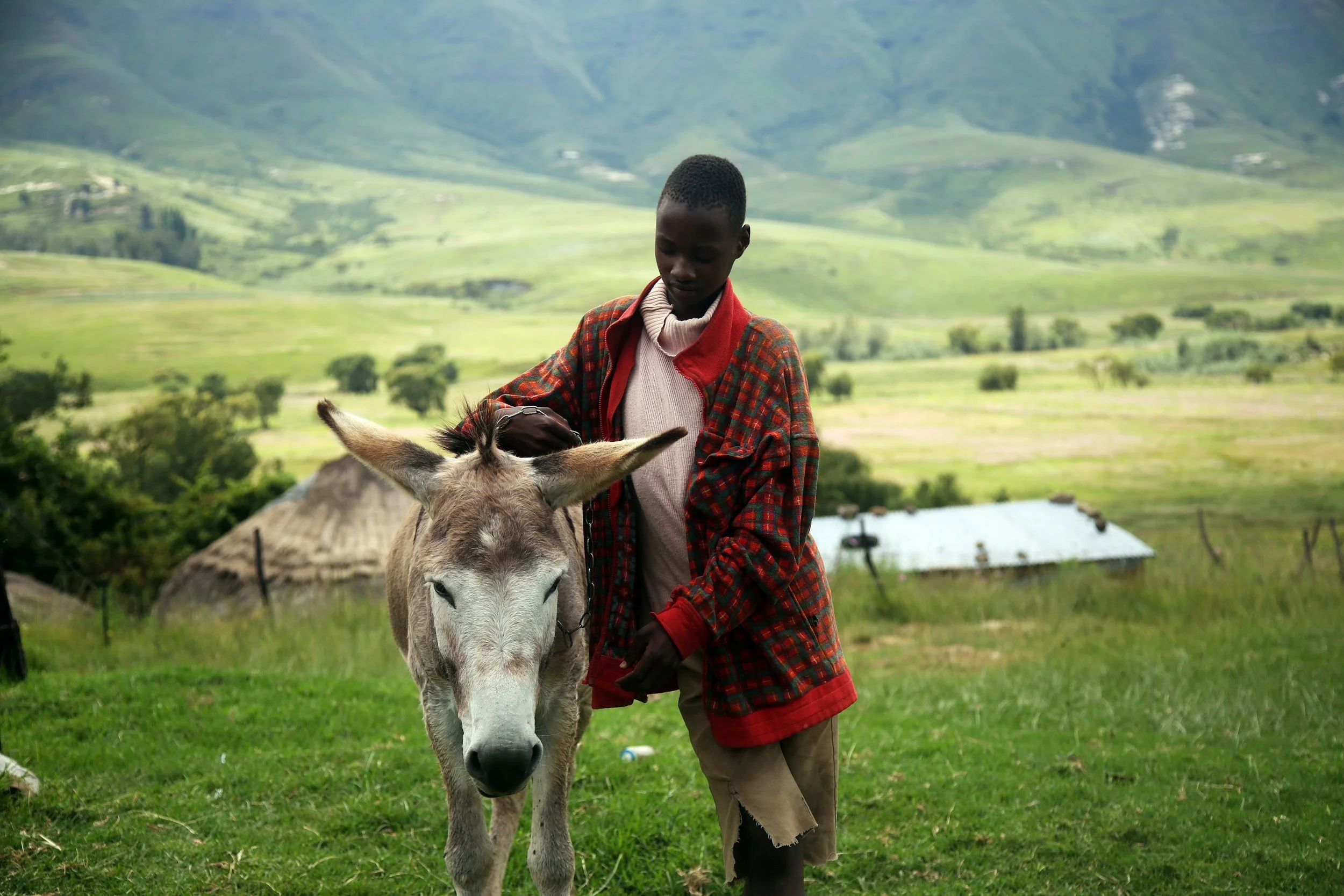
In 1975, the World Bank published a report about Lesotho, a land-locked, enclave nation completely surrounded by South Africa. The bank called the country a traditional subsistence economy, devoid of modern economic development. Rapid population growth, deteriorating agricultural production, and underdeveloped industries in Lesotho forced most laborers to migrate to South Africa for work in mines to support their families.
Fitting traditional justifications for economic intervention, development agencies working in Lesotho gained $64 million in official assistance to address the plight of the Basotho people, aLesotho ethnic group. At the time, the money amounted to $49 for every person – man, woman, or child – living in Lesotho. Development initiatives rushed to establish a cash economy and build infrastructures like roads, fenced areas, and administrative hubs in rural communities to develop a cattle industry and accumulate credit.
Despite what seemed to be the case on paper, three years into the project, a development office had been burned down and the Canadian Officer in charge of the program was fearing for his life. In the end, the aid organizations’ projects, co-opted by the ruling Basotho National Party, were used as propaganda and manipulated to centralize the state, exerting increased control over rural areas of the country. So, what went wrong?
The aid agencies failed to articulate actual conditions in Lesotho, instead focusing on a crisis narrative. The World Bank report ran contrary to many historical conditions and practices in Lesotho. They had a long history of stockpiling and exporting crops and livestock to South Africa. Further, labor migration was not an indicator of economic stress, but rather a long-established practice, where the Basotho acted as a labor reservoir for South African mines, farms, and industry. In turn, Basothos used earnings to purchase livestock to rear and sell when they could no longer work in the physically intensive South African industries. A farming economy didn’t materialize in the area because earlier encroachments of white settlers drove Basotho people into less productive land, creating dependence on a migratory economy.
However, Ferguson and Lohmann debunked this narrative in their book The Anti-Politics Machine. In their terms, the international development apparatus, including the World Bank and aid agencies, “[rearranged] reality” to address problems that fit into a narrative of modern development. In doing so, the apparatus ignored the context of Lesotho’s economy and politics by shifting the problem to a purely technical standpoint. Problems became centered around solutions like developing an export based livestock economy, which clashed with long-term local conceptions of livestock as a measure of wealth and investment. The mass production of livestock and privatization of public lands would lead to overgrazing and the degradation of the land that hurts pastoralists in the long run.
Additionally, development agencies failed to realize the political context of their development efforts by solely focusing on the government as a tool for the administration of their projects. This failure led to the expansion of a bureaucratic government equipped with better infrastructure and more resources that enabled them to prevent democratic activism and gain control over local functions.
It is important to note that foreign aid has come a long way since the 1970s, but still has a long way to go. Solutions rely on community involvement and empowerment. Initiatives like Africa’s Great Green Wall, a massive water fixation project spanning from the Atlantic Ocean to the Red Sea to combat the expansion of the Sahara Desert, are great examples of projects which show improvements and lingering challenges with aid implementation. The project is highly ambitious, under-financed, diluted with government grift, and plagued with conflicts that prevent communities from working to replenish their land against desertification. However, there are plenty of agents facilitating conflict resolution, negotiating deals on grazing rights for pastoralists and protections for farmers among project sites. Furthermore, the UN has worked alongside the government of Chad, a partner nation in the project, to solve refugee crises by integrating refugees and host communities through joint efforts to build water harvesting structures. By focusing on the smaller project sites within the massive scale of the Great Green Wall, workers have found success enabling local communities. Luckily, the development community has been moving in the right direction, and stories of community empowerment are becoming more mainstream.
In the future, the UN and other development agencies must focus on stories of problem-solving, trust-building, and communal facilitation. True success in these initiatives originates in the people who become empowered to change their homes on their terms. As students at the University of Virginia, or anyone that reads the Virginia Journal, we have the opportunity to demand more of the organizations that work to better our and others’ lives. The first step in this is educating yourself about effective action and holding the organizations you help to a greater standard.
International Law and Accountability: The Case of the Israel-Palestine Conflict
By: Nilufer Molla
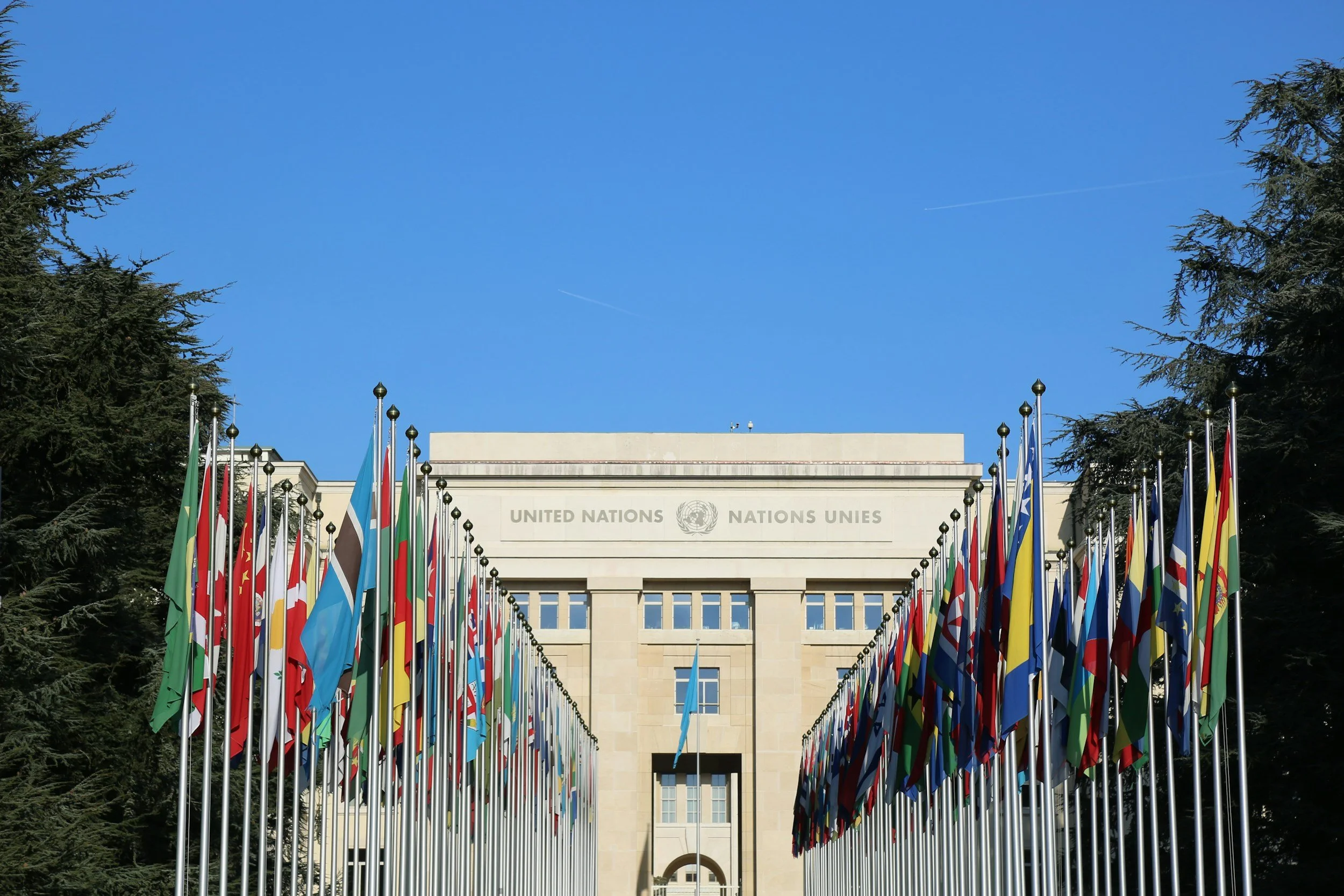
The purpose of international law is to establish the responsibilities of each state in relation to its conduct toward other countries and its treatment of national and international citizens. The current Israel-Palestine conflict demonstrates the consequences when legal obligations are outlined on paper, but have no real power from major international bodies to enforce or support them.
The 2023 hostilities started when Hamas launched an attack on Israeli settlements, taking 254 hostages and prompting the Israeli Defense Forces (IDF) to take retaliatory action. Since October 7th, 2023, Israel has made continuous efforts to target Hamas; however, the victims have primarily been the civilian population of Palestine, with no assurance of justice or security. What followed has been a conflict that has further escalated into the systematic erasure of the Palestinian people.
Forced displacement, starvation, and bombings that amount to war crimes, crimes against humanity, and, according to legal scholars, genocide, must be addressed. However, we see little to no action taken to hold the perpetrators accountable for such violations. In fact, ceasefire agreements and other international laws continue to be broken by both nations, with one causing more humanitarian damage than the other. For example, after establishing a ceasefire in mid-January 2025, Israel launched surprise attacks in Gaza in March, violating yet another ceasefire agreement. The attacks killed and injured over 1000 civilians, demonstrating the fragility of these agreements when little enforcement exists.
Article 50 of the Fourth Geneva Convention prohibits not only the denial of humanitarian aid, but also the obstruction of its passage. Article 54 of Additional Protocol 1 prohibits starvation as a weapon of war.
However, since May 2024, the UN World Food Programme has reported that roughly 85% of aid convoys to Gaza have been intercepted or blocked by Israeli authorities. And, famine has been confirmed. Ross Smith, the WFP’s Director of Emergencies, described the situation as “clearly a disaster unfolding in front of our eyes, in front of our television screen.” Including numerous other violations, the resulting damage includes but is not limited to the destruction of hospitals, irrevocable malnutrition, long-term famine, and loss of innocent life.
Present international law violations are not an aberration. The Israel-Palestine conflict stretches back generations before October 2023, and ceasefire violations date as early as 1949. Specifically, since its creation, there has been a visible pattern of Israel breaking ceasefire agreements and truces with other countries. Immediately after the Israeli state was created in 1948, it violated the Armistice Agreement by attacking demilitarized zones, resulting in the deaths of numerous Palestinian civilians. Though it must be considered that these actions may have been preemptive in anticipation of an attack, the broader argument is that the absence of enforcement and action towards accountability leads to cyclical violations and violence.
The absence of international humanitarian law is not the main issue; instead, the persisting failure to enforce it is. This pattern of continuous violations is not unique to the Israel-Palestine conflict. The United Nations (UN) often limits itself to condemnation while violence escalates on the ground. Other countries, in the past and present, have also experienced human rights violations without the United Nations’ intervention.
When addressing several present and past Israel-Palestine human rights violations, the United Nations has appeared to only produce reports and non-legally-binding resolutions while urging that Israel’s “military operations must be conducted in strict accordance with international humanitarian law.” While condemnation is a positive step, addresses are not sufficient, especially within such a major international body.
The International Criminal Court (ICC) had finally issued arrest warrants for Israeli Prime Minister Benjamin Netanyahu and the former defense minister in November 2024, after about a decade since the start of the investigation. The warrant was issued over war crimes and crimes against humanity in Gaza; however, no further action has been taken by the ICC. ICC member states are now obligated to arrest those charged when they are in their territory. UN powers appear to be limited, but a modern and more active stance must be taken while lives are at risk.
Since the creation of the UN, the question of Palestine has always existed. The main aspect of the UN offers a forum for discussion on conflict prevention. But even these efforts have experienced continuous pushback from Israel with United States support. While global leaders wait to come to a consensus, thousands of lives have already been lost in the process.
This conflict makes one thing clear: if a country can violate international law, even striking UN agencies themselves, with no consequence, the entire system meant to promote and preserve global peace and security becomes, to an extent, meaningless.
Trump's Contradictory Stance on Foreign Policy
By: Jacob Rabin
For better or for worse, the early days of President Trump’s second term have consisted of an intense shakeup of the United States’ foreign policy priorities. Although some of the administration’s measures are still pending legal challenges, widespread actions including vast trade deals, foreign aid cuts, and tariffs have rattled the international status quo.
Trump has sought to claw back at least $8 billion previously allotted for foreign aid. He also blocked another $4.9 billion in aid approved by Congress already. His administration has claimed to have reached trade deals with dozens of countries, although the number of finalized agreements likely remains in the single digits. Trump has imposed some level of tariffs on nearly all nations, although it has been tough to decipher exactly how many countries are affected and at what level. Either way, he has moved beyond the handful of trade disputes typical of recent administrations and instead initiated a near-global tariff regime.
The most fascinating parts of Trump’s decisions are the actions directed at our long term allies, namely Canada and the United Kingdom. Canada alone accounts for roughly $762 billion in annual trade with the United States, including nearly $350 billion in American exports and $28 billion in agricultural goods. The United Kingdom absorbs about $85 billion in U.S. exports each year. Yet, both countries, who have long been integral security and economic partners, have been publicly scolded for unfair trade and subjected to new tariff frameworks. Trump’s complex web of tariffs on British and Canadian goods, among others, has already raised prices for key sectors of the economy like aluminum, autos, and machinery.
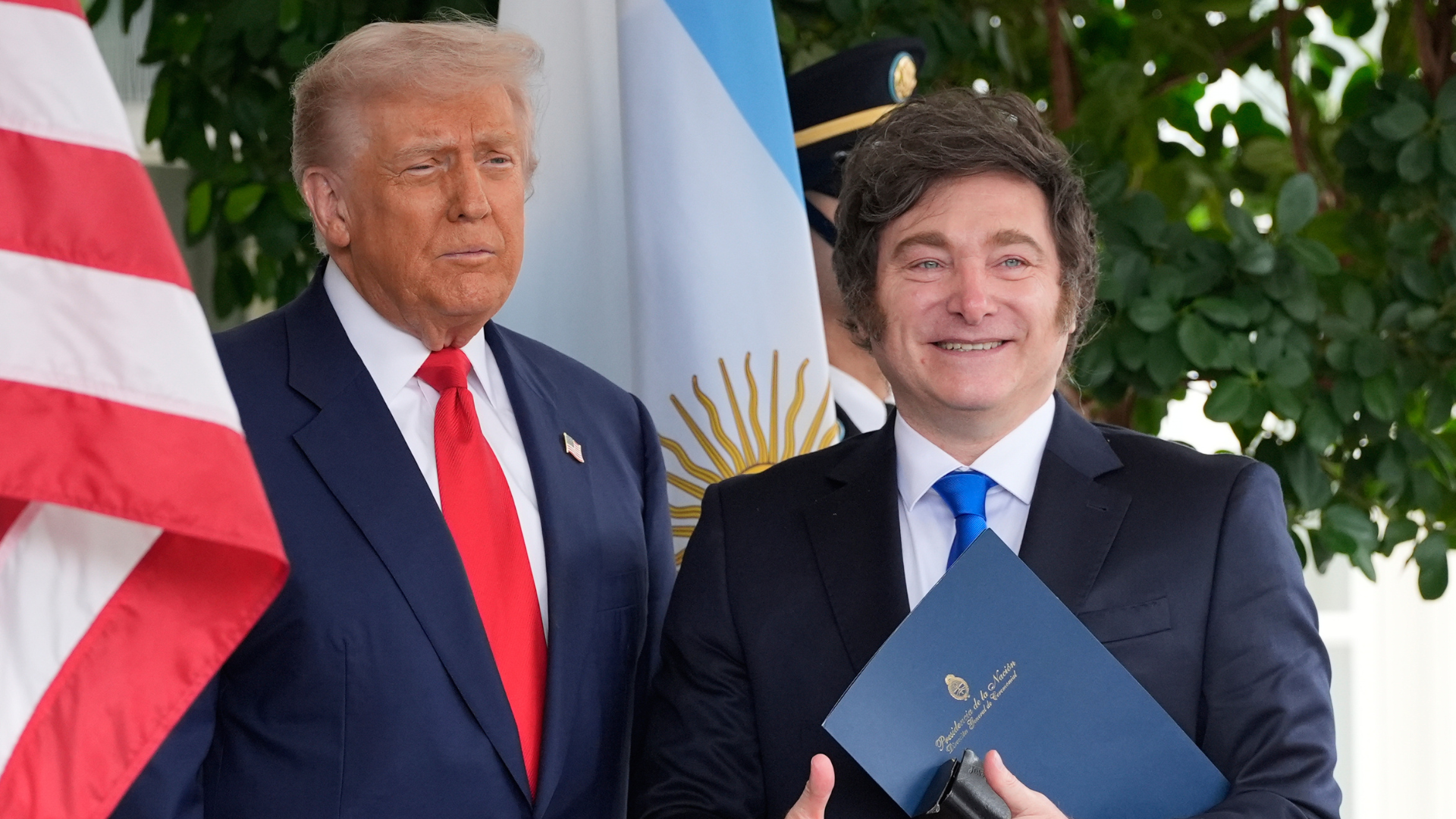
But amidst these widespread changes, one nation has been on the receiving end of American generosity and aid: Argentina. On October 9th, the U.S. announced an agreement with Argentina to provide a $20 billion currency swap lifeline to Argentina to prevent a collapse of the peso, which would have triggered widespread economic distress. This investment was followed just a few days later by another $20 billion, reportedly focused on the debt market. This move was catalyzed by the Trump administration but is to be funded by private actors and sovereign funds. Additionally, in July the Trump administration announced they were working on a plan to reinstate visa-free travel for Argentine passport holders, a strong diplomatic gesture.
All of this for what? Just $16.5 billion in exports? When compared to the $350 billion in goods sent to Canada, it is clear that these are not economic decisions; they are ideological ones. Trump has called Argentina’s conservative leader, Javier Milei, his “favorite president” and the timing of the aforementioned financial bailout, just days before Argentina’s October 26 legislative elections, was unmistakable. The goal of these actions was immediately clear. Trump wanted to prop up Milei’s conservative party rather than risk losing ground to the left-leaning Peronist opposition movement.
This aid has come at the expense of Americans, many of whom have been longtime supporters of Trump. The beef industry has been hit particularly hard. Senator Fischer, a Republican from Nebraska who has supported Trump on nearly everything urged the administration to prioritize America’s ranchers. She warned, warned that Trump's policies are not “the way” to address rising beef prices; she asserts that government intervention in the beef market will hurt cattle ranchers and urges the Trump administration to “focus on trade deals that benefit [American] [agricultural] producers” rather than “imports that will do more harm than good.” Justin Tupper, the President of the United States Cattlemen's Association went further, saying, “A deal of this magnitude with Argentina would undercut the very foundation of our cattle industry.”
Other Republicans were critical, or at the very least skeptical. Josh Hawley, a Republican senator from Missouri said, “My intuitive response to bailouts in general, whether talking about bank executives or foreign countries, is to be very skeptical.” In fact, 48% of Trump voters expressed disapproval of the net $40 billion package for Argentina.
Trump’s foreign policy decisions make little sense currently, but this isn’t a new revelation. People far smarter than me have been making this argument since day one. However, we must continue to ask why. Americans deserve to know why their government is underwriting the success of a foreign leader while farmers and manufacturers at home face rising costs and shrinking markets. Asking that question isn’t disloyal—it’s patriotic. In the end, holding our government accountable is far more American than bailing out a far-right ruler half a world away.